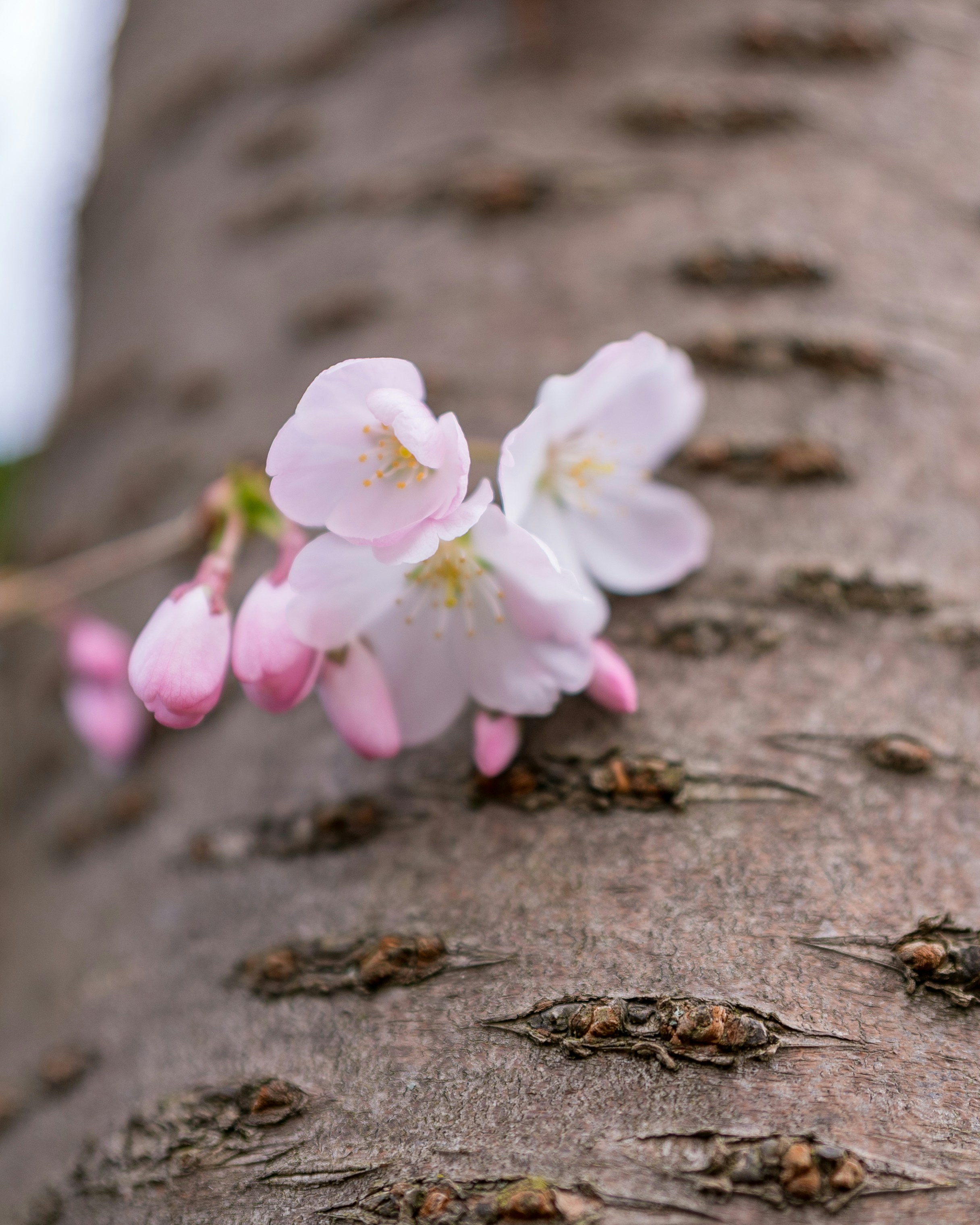
Wild Cherry Bark (Prunus serotina)
Field Note #002

Cherry Bark

Prunus serotina
AldehydesPhenolsCoumarinsHeritage
Benzaldehyde is the compound your brain registers as 'cherry.' The bark delivers it wrapped in vanillin and coumarin that most artificial versions skip entirely. Wild cherry bark has been in American pharmacopeias since the 1800s, and the flavor profile is still more complex than anything synthesized.
ExtractSensory NotesIn the GlassCompound MapConnectionsTakeaway

Extract

Wild cherry bark requires careful extraction. The cyanogenic glycoside prunasin hydrolyzes to benzaldehyde and hydrogen cyanide in the presence of water and the enzyme emulsin. Drying the bark before extraction reduces enzymatic activity and HCN risk. Always use dried, not fresh, bark for tinctures.

Macerate in 50-60% ethanol for 48-72 hours. The benzaldehyde pulls quickly; extended maceration adds the deeper vanillin and coumarin notes. A 5-7 day maceration at room temperature produces the fullest profile, but monitor for any off-notes from tannin over-extraction.

The bark should be harvested from young branches in autumn when the volatile content peaks. Inner bark is preferred over outer bark. Prunus serotina (black cherry) has the strongest flavor profile; Prunus virginiana (chokecherry) is similar but less concentrated.

Sensory Notes

Cherry Bark presents a distinctive sensory profile that reflects its unique compound composition.

Aroma

Unmistakable cherry-almond, driven by benzaldehyde. Underneath, a warm vanillin sweetness and a hay-like coumarin note. Like cherry pipe tobacco or cherry cough drops, but more nuanced.

Taste

Sweet-bitter. The benzaldehyde reads as cherry fruitiness on the front, transitioning to a mild, pleasant bitterness from the tannins. Vanillin adds a persistent sweetness that lingers.

Mouthfeel

Medium body with moderate astringency. The tannins create a gentle drying effect without puckering. Smooth overall. The bark's natural mucilage adds a slight viscosity.

Finish

Long. Benzaldehyde's almond-cherry aroma persists in the retronasal pathway. The coumarin warmth and vanillin sweetness carry the finish. One of the more pleasant finishes in the botanical library.

In the Glass

Cherry Bark finds its role in formulation through its primary compound contributions and how they interact with other ingredients.

Cherry Bark Manhattan

Cherry bark tincture in place of or alongside Angostura in a Manhattan. Benzaldehyde's almond-cherry note bridges bourbon's vanilla-caramel with sweet vermouth's herbal complexity.

Heritage Root Beer

Cherry bark is a traditional root beer ingredient alongside sassafras, sarsaparilla, and wintergreen. It contributes the cherry-almond sweetness that commercial root beers approximate with artificial flavoring.

Compound Map

Aldehyde

Benzaldehyde

The cherry-almond aroma compound. Formed from hydrolysis of prunasin. The single molecule responsible for 'cherry' perception. Also the dominant compound in bitter almond oil.

Phenolic Aldehyde

Vanillin

Present naturally in the bark. Adds warmth and sweetness that rounds out benzaldehyde's sharper aromatic edge. The reason cherry bark tastes richer than synthetic cherry flavor.

Coumarin

Coumarin

Hay-like, warm, slightly sweet. Contributes the tobacco-like warmth in cherry bark's base note. Works with vanillin to create the 'old-fashioned' character.

Cyanogenic Glycoside

Prunasin

The precursor to benzaldehyde. Hydrolyzes enzymatically in the presence of water. Also releases HCN, which is why drying the bark before extraction is critical for safety.

Tannin

Condensed Tannins

Proanthocyanidins contributing astringency and mild bitterness. Provide the structural backbone that keeps cherry bark from reading as purely sweet or aromatic.

Ester

Scopoletin

Fluorescent coumarin derivative. Minor flavor contribution but part of the overall warm, woody base note complex. Indicator of quality bark.

Connections

Takeaway

The compound behind the flavor.

Cherry bark is a lesson in how a single molecule can define an entire flavor category. Benzaldehyde is cherry to your brain, and the bark delivers it in a matrix of vanillin and coumarin that no synthetic version replicates. It's also a reminder that the best natural flavors come with complexity built in. You don't have to layer sweetness and warmth on top of cherry; the bark already has them.

← Previous
Gentian Root