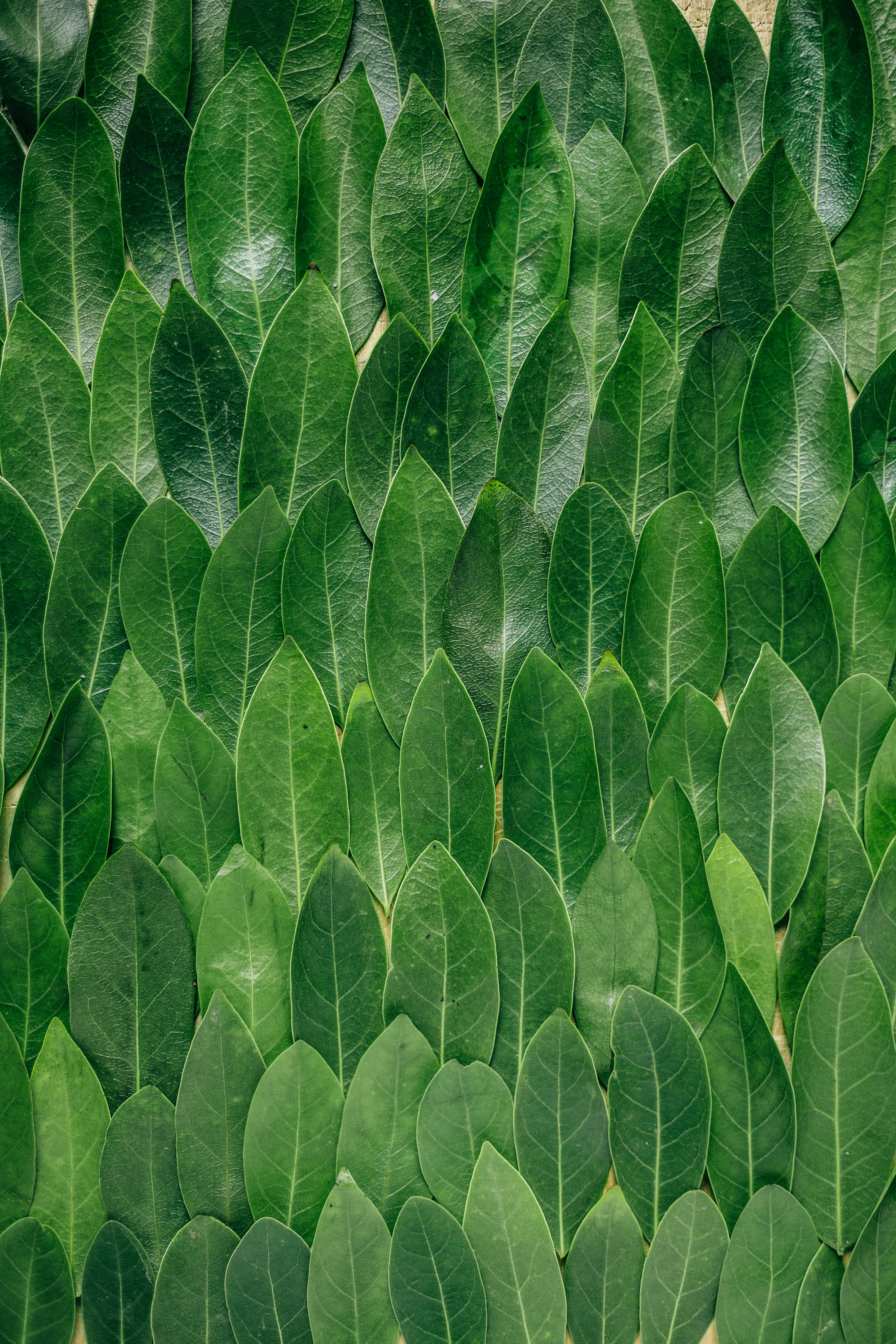
Bay leaf tinctures best in 50-60% ethanol with dried, crumbled leaves. Fresh bay is too watery and introduces chlorophyll that muddies the profile. Macerate 5-7 days, agitating daily. The terpene fraction pulls in the first 48 hours; the deeper phenolic notes (eugenol, methyl eugenol) need the full week.
Hydrodistillation captures the volatile fraction cleanly, but you lose the heavier phenolics. For a full-spectrum bay extract, tincture is the better method. If using a rotovap, run at 40-45C to preserve the more delicate linalool and geraniol fractions that give bay its floral undertone.
Turkish bay (Laurus nobilis) is the standard. California bay (Umbellularia californica) is a different species entirely, much higher in umbellulone, which is camphoraceous and harsh. For formulation work, stick with nobilis. The compound profiles are not interchangeable.
Warm, herbal, eucalyptus-forward with a spicy clove undertone. Dried bay has a more concentrated, slightly sweet aroma compared to fresh. A faint floral note from linalool sits behind the dominant cineole.
Warm and herbaceous. Mildly bitter with a cooling eucalyptus quality. The eugenol comes through as a subtle clove spice on the mid-palate. Not sharp or aggressive. Bay is a background flavor that structures without dominating.
Light to medium body. Slightly warming from eugenol. No significant astringency. The cooling effect from cineole is gentle, more aromatic than trigeminal.
Medium length. The herbal warmth fades gradually. Eucalyptol lingers in the retronasal pathway. A faint clove-like spice remains on the palate.
Bay tincture in an Old Fashioned adds an herbal warmth that bridges bourbon's vanilla and caramel notes. The eugenol in bay amplifies the oak-derived spice already present in aged whiskey.
Bay leaf syrup or tincture in a gin and tonic. The shared cineole and linalool between bay and juniper creates continuity, while bay's eugenol adds a savory depth tonic water cannot provide.
Dominant volatile at 30-50% of essential oil. Cooling, camphoraceous, herbal. The top note that defines bay's aromatic identity. Also dominant in eucalyptus and cardamom.
Clove-spice phenol at 5-12% of the oil. Provides the warm, spicy undertone. The compound that separates bay from pure eucalyptus. Also the dominant compound in clove.
Floral, slightly citrus terpene alcohol. Present at 3-8%. Adds the subtle floral lift that keeps bay from reading as purely medicinal. Context-dependent: reads herbal here, not lavender.
Eugenol's methyl ether. Sweeter, less sharp than eugenol. Contributes to the warm, slightly sweet base note. Present at 2-8% depending on origin.
Woody, spicy monoterpene. Part of the middle note complex. Adds a peppery warmth that bridges the eucalyptol top note to the phenolic base.
Herbal, slightly resinous terpene. Provides the green, herbaceous quality. Also found in hops, lemongrass, and thyme. Supports bay's savory character.
Both are cineole-dominant botanicals, but cardamom's terpinyl acetate pulls it toward sweet-warm while bay's eugenol pulls it toward savory-spice. Blending them creates a cineole bridge with two different exits.
Bay's eugenol and cassia's cinnamaldehyde are both warm-spice compounds that operate in adjacent aromatic space. Together they build a layered warmth that reads as mulled spice.
Shared linalool content, but bay's phenolic backbone and coriander's aldehyde fraction push them into different territory. Combined, they produce a complex herbal-citrus middle note.
Bay leaf is formulation glue. It does not headline anything, but it connects savory, herbal, and spice notes into a coherent whole. The cineole-eugenol-linalool triad is what gives bay its versatility. It works in cocktails for the same reason it works in braises: it occupies the middle ground between sharp top notes and heavy bases, making everything around it sound like it belongs together.