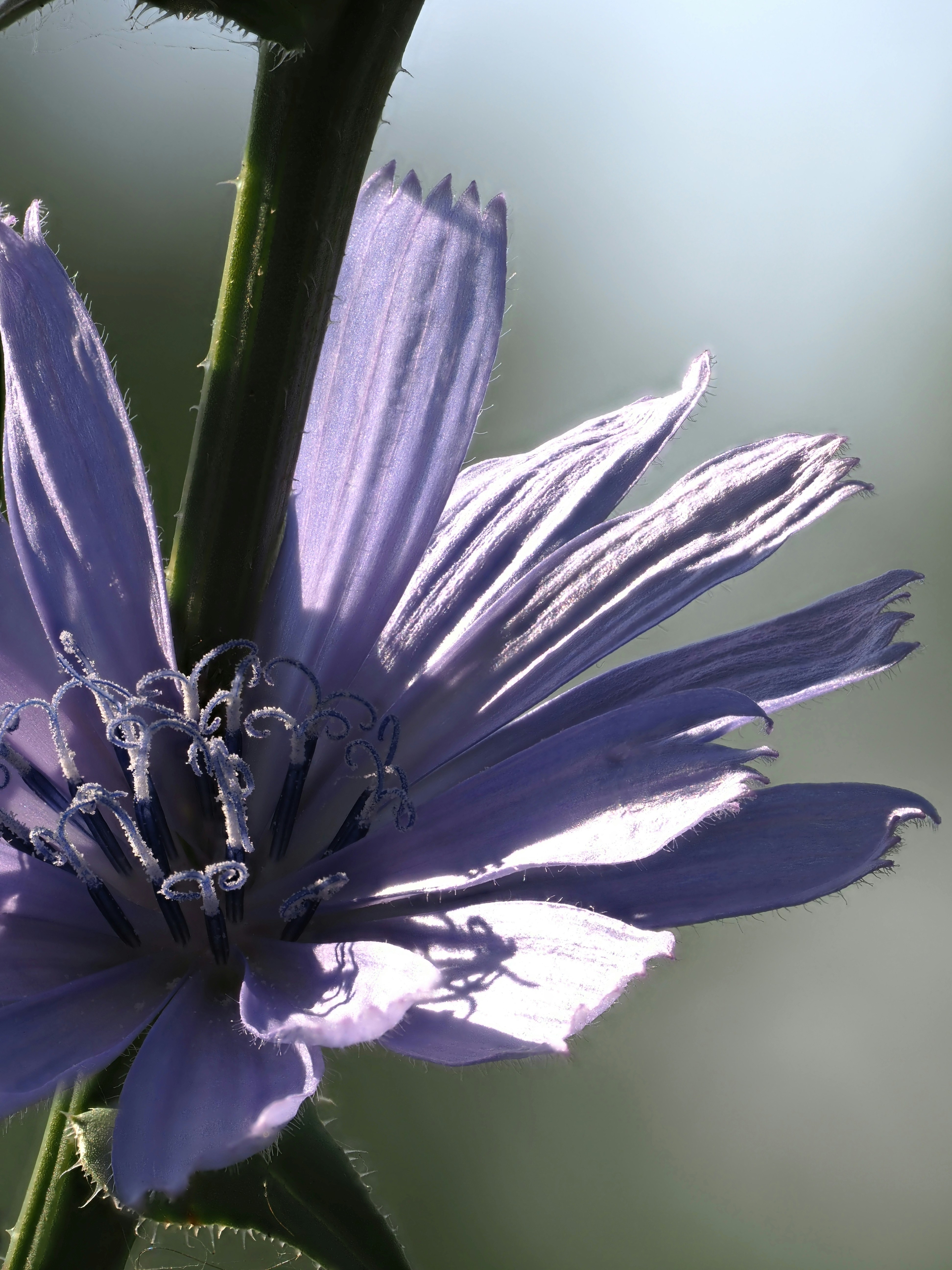
Chicory Root (Cichorium intybus)
Field Note #014

Chicory

Cichorium intybus
Sesquiterpene LactonesPolysaccharidesRoastedCoffee Substitute
Roasted chicory root is 40% inulin by dry weight. When that inulin hits 175C, it caramelizes into a complex of furanones and pyrazines that your brain files under 'coffee.' But chicory was never trying to be coffee. Its lactucin and lactucopicrin deliver a clean, vegetal bitterness that predates espresso by centuries.
ExtractSensory NotesIn the GlassCompound MapConnectionsTakeaway

Extract

Raw chicory root extracts in 40-50% ethanol over 48-72 hours. The sesquiterpene lactones (lactucin, lactucopicrin) pull cleanly, delivering the characteristic bitter without the roasted complexity. This is the extraction you want for bitter formulation where you need clean bitterness without coffee-adjacent flavors.

Roasted chicory root is a different product entirely. Roast at 175-190C for 20-30 minutes until uniformly dark brown. The Maillard reaction and caramelization of inulin produce pyrazines, furanones, and melanoidins that dominate the flavor. Extract roasted root in 40% ethanol or make a concentrated cold brew for non-alcoholic applications.

The leaf (endive, radicchio) has a different compound emphasis: more chlorogenic acid and less inulin. Useful for fresh, green bitter notes but not interchangeable with the root in formulation. Root is the standard for bitters and beverage work.

Sensory Notes

Aroma

Raw: earthy, green, slightly woody. Roasted: deep coffee, dark chocolate, caramel with a toasted grain quality. The roasted aroma is remarkably close to medium-roast coffee.

Taste

Raw root delivers moderate, clean bitterness from lactucin. Roasted root tastes like coffee's earthier cousin: bitter, slightly sweet from caramelized inulin, with a roasted grain finish. Less acidic than coffee.

Mouthfeel

Medium to full body. Roasted preparations have a notable viscosity from dissolved inulin and melanoidins. Raw tincture is lighter. Mild astringency from tannins.

Finish

Long. Roasted chicory's finish is persistent and warming, with the caramel-coffee notes fading into a clean, dry bitterness. Raw root finishes cleaner and shorter.

In the Glass

New Orleans Coffee Bitter

Roasted chicory tincture in a coffee-forward cocktail or espresso martini variant. The shared pyrazine profile with coffee creates depth, while chicory's cleaner bitterness avoids the acidity.

Dandelion & Chicory Digestif

Raw chicory and dandelion root tinctures blended for a clean, earthy bitter base. Both are inulin-rich and sesquiterpene lactone-driven. Add gentian for backbone and you have a European-style digestif.

Compound Map

Sesquiterpene Lactone

Lactucin

Primary bitter compound in raw chicory root. Clean, moderate bitterness. Also found in lettuce (hence the name). The source of chicory's traditional use as a digestive bitter.

Sesquiterpene Lactone

Lactucopicrin

Secondary bitter lactone, more intensely bitter than lactucin. Contributes to the persistent bitter finish. Concentration increases in mature roots.

Polysaccharide

Inulin

Fructose polymer at up to 40% of dry root weight. Not a flavor compound in raw form, but caramelization during roasting produces the coffee-like furanones and melanoidins that define roasted chicory.

Phenolic Acid

Chlorogenic Acid

Shared with coffee. Contributes mild bitterness and slight astringency. More prominent in the leaf than root. Degrades during roasting.

Pyrazine

Maillard Pyrazines

Formed during roasting via Maillard reaction. Nutty, roasted, coffee-like aroma compounds. These are the molecules your brain associates with roasted coffee. Not present in raw root.

Furanone

Caramel Furanones

Produced by inulin caramelization during roasting. Sweet, caramel, slightly burnt sugar notes. Responsible for roasted chicory's sweetness despite containing no sucrose.

Connections

Takeaway

Two botanicals in one root.

Raw chicory and roasted chicory are functionally different ingredients. Raw gives you clean sesquiterpene lactone bitterness in the same family as dandelion, perfect for bitter formulation. Roasted gives you a coffee-adjacent flavor profile built from caramelized inulin that has nothing to do with Coffea arabica. Knowing which version you need and why is the difference between using chicory and understanding it.

← Previous
Bay Leaf