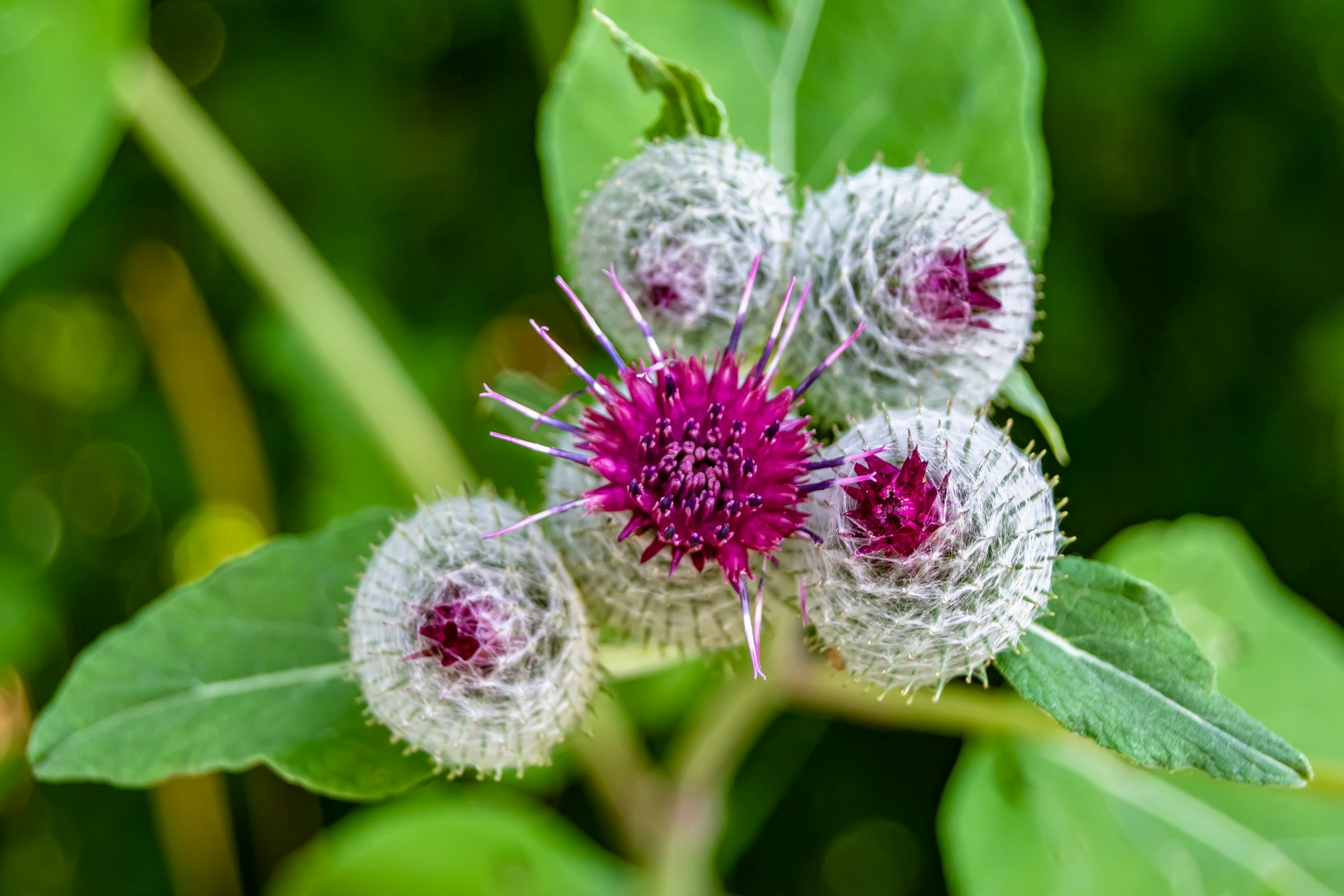
Burdock root is dense and woody, requiring more aggressive extraction than softer botanicals. Dried, sliced root in 50-60% ethanol for 72 hours pulls the lignans and sesquiterpenes effectively. Slice thin (2-3mm) to maximize surface area.
Decoction is the traditional method. Simmer sliced dried root at a gentle boil for 20-30 minutes. The resulting tea is earthy, mildly sweet from inulin, and carries a clean bitterness. Strain while hot to prevent inulin from gelling.
Fresh burdock root (gobo) has a different profile than dried. It's sweeter, less bitter, and carries more of the artichoke-like flavor. For formulation, dried root provides more consistent bitter character.
Burdock is the quiet one in the room. It doesn't have the sharp bite of gentian or the aromatic complexity of angelica. What it has is depth.
Earthy, woody, with faint sweetness. Reminiscent of damp forest floor and dried mushroom. Subtle and understated.
Mildly bitter with a sweet, starchy undertone from inulin. Earthy and rooty. Faint artichoke-like quality in fresh preparations.
Medium body with a slight viscosity from the polysaccharide content. Mildly astringent. The inulin gives decoctions a faint silkiness.
Long, earthy, and grounding. The bitterness lingers as a low hum rather than a sharp note. Clean decay.
Burdock is a blending root. It rarely leads a formula but makes everything around it feel more anchored and complete.
The heritage English soda. Burdock provides the earthy depth and body, dandelion provides the cleaner green bitterness. Add ginger for lift and you have a complete formula.
Burdock's earthy, slightly sweet character makes it a natural base layer in root beer formulations. It fills the space between sassafras and the sweet spice notes of cassia and vanilla.
Primary bioactive lignan. Quiet, persistent bitterness. Well-studied for anti-inflammatory activity.
Glycoside precursor to arctigenin. Converts during extraction and digestion. Higher concentration than free arctigenin.
Fructose polymer, up to 50% of dried root weight. Provides sweetness and body in decoctions. Prebiotic.
Earthy, woody aromatic character. Present in the volatile fraction.
Mild bitter and astringent. Also found in coffee and dandelion.
Sulfur-containing polyacetylene unique to burdock. Contributes earthy, slightly sulfurous depth note.
The classic pairing. Dandelion's cleaner, greener bitterness on top of burdock's earthy depth. Complete bitter base for heritage sodas.
Cassia's cinnamaldehyde warmth plays against burdock's cool earthiness. Foundational in root beer and spiced digestif formulas.
Where burdock provides quiet persistence, gentian provides sharp intensity. Blending both creates a bitter profile with depth and peak.
Burdock doesn't do anything flashy. What it does is fill the space between your top notes and your base, creating a sense of completeness that formulas without it tend to lack. If your blend feels thin in the mid-palate, burdock is usually the answer.