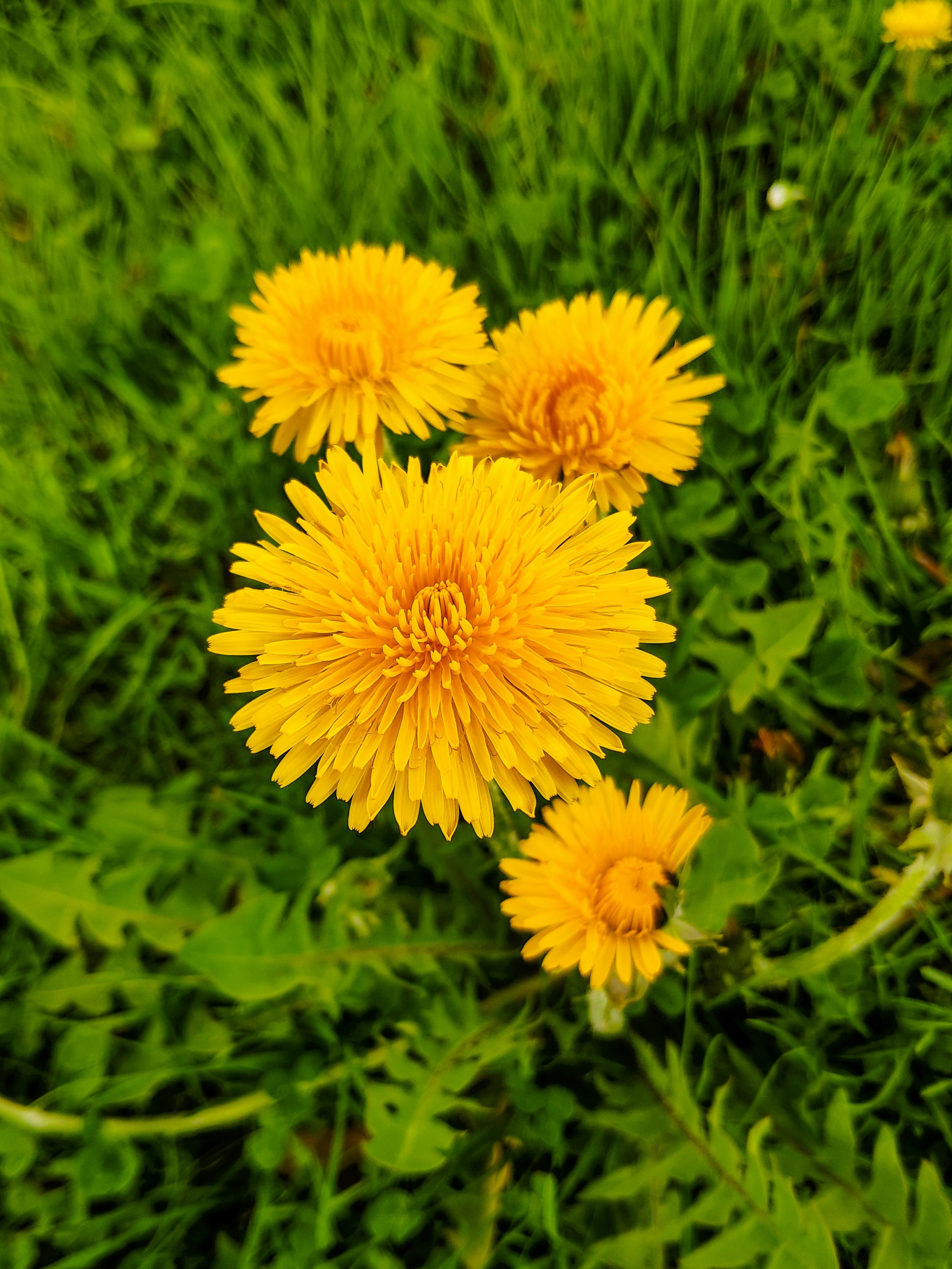
Dandelion (Taraxacum officinale)
Field Note #006

Dandelion

Taraxacum officinale
Sesquiterpene LactonesPhenolicsDigestifForaged
The most overlooked bitter in your yard. Taraxacin and taraxacerin drive a clean, green bitterness that European aperitivo culture figured out centuries ago. Every part of the plant is usable, but the root is where the sesquiterpene lactones concentrate.
ExtractSensory NotesIn the GlassCompound MapConnectionsTakeaway

Extract

Dandelion root extracts cleanly in 40-50% ethanol. Cold maceration for 48-72 hours pulls the sesquiterpene lactones and phenolic acids without dragging in excessive chlorophyll from residual leaf material. The root should be dried and coarsely chopped before extraction; fresh root carries too much water and dilutes the menstruum.

Roasted dandelion root is a different animal entirely. Maillard reaction products, pyrazines, and furanones dominate the roasted profile, pushing it toward coffee and chicory territory. If you want the clean bitter for formulation work, stay with raw dried root. If you want the roasted complexity for a digestif blend, roast at 175C for 20-25 minutes until the pieces darken evenly.

The leaf and flower have different compound profiles and are better suited to fresh preparations. Leaf tinctures pull chlorogenic acid and luteolin, contributing a greener, more vegetal bitterness. The flower is mostly aromatic, mild, and best reserved for garnish or infusion rather than extraction.

Sensory Notes

Dandelion root delivers a grounded, earthy bitter that reads more like a vegetable than a spice. It doesn't have the sharp medicinal edge of gentian or the aromatic complexity of wormwood. This is a workhorse bitter: reliable, blendable, and forgiving in formulation.

Aroma

Earthy, slightly sweet, with dried hay and light caramel notes. Roasted root shifts to coffee, cocoa nib, and toasted grain.

Taste

Moderate, clean bitterness with a green, slightly mineral quality. Less intense than gentian by an order of magnitude. Approachable and smooth.

Mouthfeel

Light body with mild astringency from tannins. Slightly drying on the finish. Does not coat or linger the way heavier botanicals do.

Finish

Medium length. The bitterness fades into a faint sweetness, especially from roasted root preparations. Clean exit with no off-notes.

In the Glass

Dandelion is a background player that adds body and grounding to bitter formulations without competing for attention. It works best in blends where you need bitterness without sharp edges.

Dandelion & Burdock

The classic English pairing. Dandelion's clean green bitterness against burdock's earthy, rooty depth. Add ginger for lift and you have a heritage soda formula that predates commercial soft drinks.

Roasted Root Digestif

Roasted dandelion root tincture in an amaro-style blend. The Maillard-driven coffee notes pair with gentian's sharp bitterness and cassia's warmth for a post-dinner bitter.

Compound Map

Sesquiterpene Lactone

Taraxacin

Primary bitter principle. Responsible for the characteristic clean bitterness of dandelion root. Concentrates in the root and latex.

Sesquiterpene Lactone

Taraxacerin

Secondary bitter compound. Works alongside taraxacin to build the full bitter profile. Less studied but consistently present.

Phenolic Acid

Chlorogenic Acid

Contributes mild bitterness and slight astringency. Also found in coffee. More concentrated in the leaf than the root.

Flavonoid

Luteolin

Yellow flavonoid with a faint bitter edge. Contributes to the golden color of dandelion tinctures. Antioxidant activity.

Polysaccharide

Inulin

Fructose polymer stored in the root. Caramelizes during roasting, producing the sweet, coffee-like notes. Up to 40% of dry root weight.

Terpene

Beta-Sitosterol

Phytosterol present in minor quantities. Not a primary flavor driver but contributes to the overall earthy, vegetal character.

Connections

Takeaway

The bitter in your backyard.

Dandelion root is the most accessible serious bitter botanical in North America. It grows everywhere, extracts easily, and plays well with almost every other ingredient in the library. It won't headline a formula, but it will make everything around it work harder. Roast it for complexity, keep it raw for clean structure.

← Previous
Wormwood