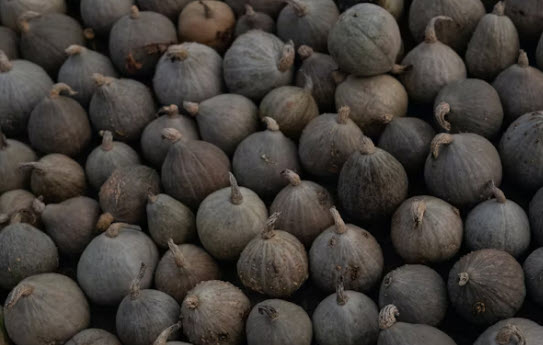
Green (unripe) walnuts are the standard for nocino and walnut bitters. Harvest when the shell is still soft enough to cut with a knife, typically late June through early July. Quarter them and macerate in high-proof spirit (60-70% ethanol) for at least 40 days. Traditional nocino calls for 40 days of sun exposure, though controlled-temperature maceration works identically.
The juglone content is highest in the green hull and decreases as the shell lignifies. Once the shell hardens, the hull becomes the primary source. Dried hulls tincture in 50-60% ethanol for 2-3 weeks and produce a deeply tannic, bittersweet extract useful as a modifier.
Mature walnut meat (the edible kernel) has a different compound profile: predominantly lipids, with nonanal and hexanal providing the characteristic nutty aroma. Kernel tinctures are oily and prone to rancidity. For bitter and tannin applications, the green fruit or dried hull is superior.
Green walnut: sharp, green, slightly astringent, with an iodine-like quality from juglone. Mature nut: warm, oily, nutty from aldehydes. The two smell nothing alike. Green walnut smells more medicinal than culinary.
Green walnut: profoundly tannic and bitter. Juglone dominates with a sharp, astringent, slightly metallic bitterness. Extended maceration softens this into the complex, bittersweet, spice-accented character of finished nocino. Mature nut: mild, fatty, nutty, with subtle bitterness from pellicle tannins.
Green walnut preparations are intensely astringent. The tannin content rivals or exceeds strong black tea. The puckering, drying effect is significant and persistent. Mature nut preparations are oily and coating.
Very long. Juglone's tannin bitterness persists and dries the palate for minutes. The astringency builds over time in the mouth. Aged nocino softens considerably as tannins polymerize.
The definitive walnut preparation. Green walnuts, spirit, sugar, and traditionally clove and cinnamon. Forty days minimum. The juglone-driven bitterness mellows with age into one of the most complex digestif liqueurs in existence.
Nocino or walnut hull tincture as a modifier in a Manhattan. The tannin structure parallels and amplifies the oak tannins in aged whiskey. The bitterness adds a dimension that vermouth alone cannot.
The signature compound. A naphthoquinone unique to Juglandaceae. Intensely bitter, deeply staining, antimicrobial. Responsible for walnut allelopathy (killing nearby plants). The defining bitter in green walnut preparations.
Hydrolyzable tannins contributing intense astringency. Concentrate in the hull and pellicle. Polymerize during aging, softening from sharp to rounded. The reason aged nocino is smoother than young.
Hydrolysis product of ellagitannins. Contributes astringency and a slight metallic edge. Increases as tannins break down during aging.
The 'nutty' aroma compound. Waxy, green, fatty aldehyde dominant in mature walnut kernel oil. Responsible for the characteristic walnut smell in the edible nut.
Yellow flavonoid present in hull and pellicle. Mild bitterness and antioxidant activity. Part of the phenolic matrix that makes walnut preparations deeply colored and tannic.
Woody, resinous monoterpene in the volatile fraction of green walnuts. Contributes a faint piney note to fresh preparations. Dissipates during long maceration.
Gentian's secoiridoid bitterness is sharp and clean; walnut's juglone-tannin bitterness is broad and astringent. Together they create a bitterness with both a cutting edge and a heavy body.
Traditional nocino includes cinnamon. Cinnamaldehyde's warmth softens juglone's sharp bitterness and adds aromatic complexity. The pairing is ancient and well-validated.
Benzaldehyde and juglone together produce a complex, dark fruit-and-nut bitterness. Cherry bark's vanillin rounds walnut's astringency. A natural pairing for autumnal bitters formulations.
Juglone is walnut's gift and its warning. It stains everything it contacts, including your palate. Green walnut preparations deliver a tannin-driven bitterness more intense and more astringent than almost any other botanical in the library. Time is the essential co-ingredient: fresh green walnut tincture is harsh and metallic; aged nocino is one of the most nuanced digestif liqueurs in the world. The same compounds, transformed by polymerization. Patience is part of the formula.