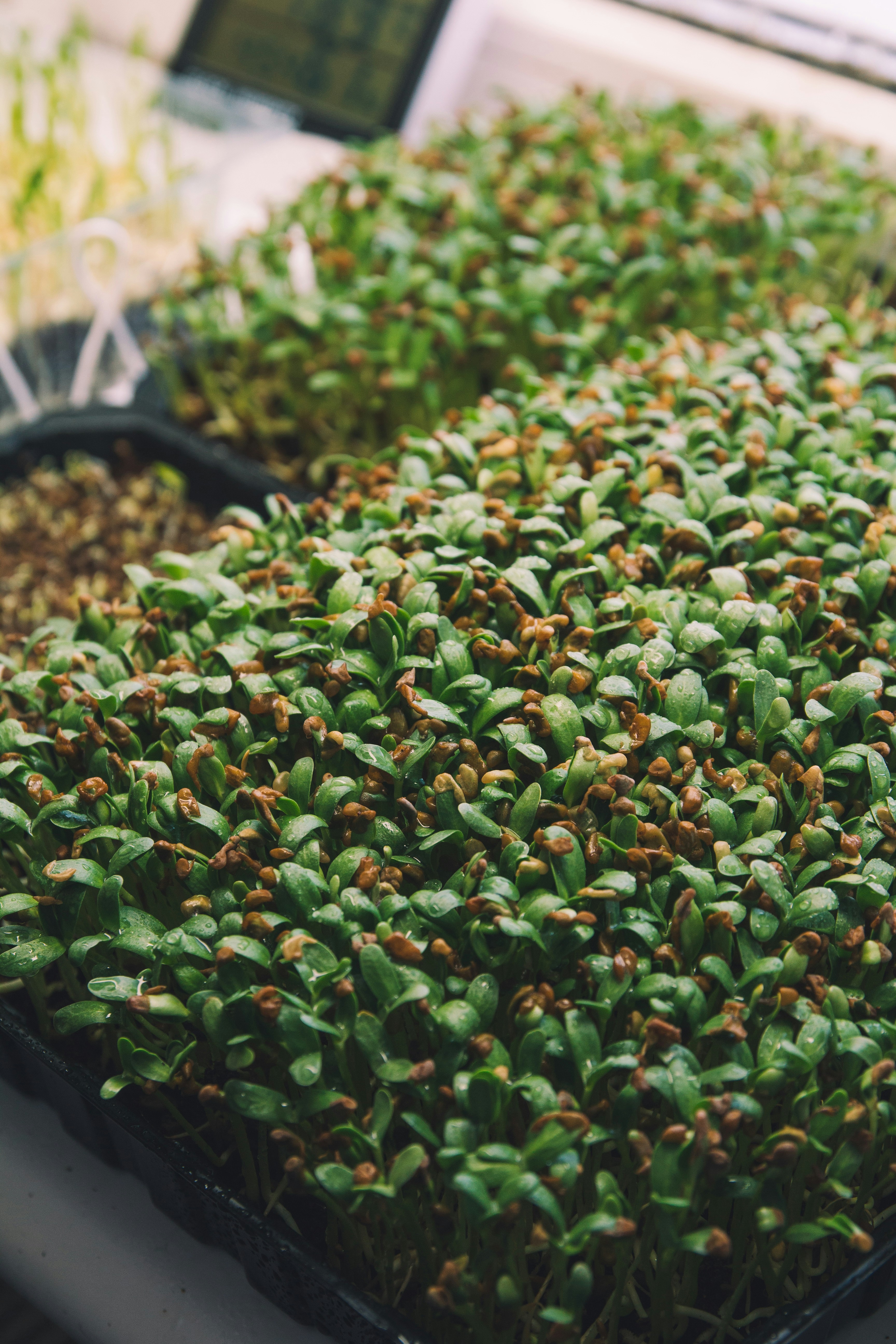
Fenugreek seeds extract in 50-60% ethanol. Lightly toast the seeds first at 150C for 8-10 minutes to amplify the Maillard-derived pyrazines and deepen the sotolone expression. Macerate 5-7 days. The seeds are hard and dense; shorter extractions miss the deeper compounds.
Cold water extraction pulls the mucilage (galactomannan) heavily, creating a viscous, slightly bitter liquid useful as a body-building additive but not ideal for clean flavor work. Ethanol extraction is cleaner for tinctures.
Sotolone is oil-soluble and volatile, so it will concentrate in any fat or oil infusion. A fenugreek-infused simple syrup captures the maple note effectively for non-alcoholic applications. Simmer seeds in sugar syrup at low heat for 30 minutes, strain, and the maple character is unmistakable.
Unmistakable maple syrup, caramel, and toasted curry spice. Sotolone dominates at extraordinary potency. Toasted seeds add nutty, roasted grain notes from pyrazines. The aroma is disproportionately powerful relative to the amount of material used.
Bittersweet. A complex interplay of maple sweetness (sotolone), mild bitterness (trigonelline, steroidal saponins), and a warm curry-spice quality. Not one-dimensional despite the maple reputation.
Seeds contribute mucilage that adds noticeable body and viscosity. The galactomannan polysaccharide is a natural thickener. Tinctures are lighter, but water-based preparations are distinctly viscous.
Very long. Sotolone is persistent in the retronasal pathway for minutes. The maple-caramel note outlasts everything else. A gentle bitterness lingers underneath.
Fenugreek tincture replaces maple syrup in an Old Fashioned. Sotolone delivers the maple aroma without the cloying sweetness. The result is drier, more complex, and structurally sound.
Fenugreek as part of a spice-driven bitters blend with coriander, cardamom, and ginger. The sotolone provides a sweet-savory anchor that ties warm spices together.
The maple-caramel aroma compound. Detection threshold: 0.02 ppb. One of the most potent odorants known. Also found in aged sherry, lovage, and maple sap. Defines fenugreek's aromatic identity.
Pyridine alkaloid contributing mild bitterness. Also found in coffee. Degrades during roasting to produce niacin and pyridines. Part of the bitter backbone beneath the sweet aroma.
Steroidal sapogenin contributing bitterness and slight foaming when agitated. Historically important as a precursor for pharmaceutical steroid synthesis. Adds structural bitterness to the profile.
Mucilaginous polysaccharide. Natural thickener and emulsifier. Responsible for the viscous mouthfeel of water-based fenugreek preparations. Up to 30% of seed weight.
Formed during toasting. Nutty, roasted, bread-like notes that complement sotolone's maple sweetness. Toasting amplifies these significantly.
Related furanone that contributes to the overall caramel-maple complex. Works synergistically with sotolone to deepen the sweet aromatic impression.
Cinnamaldehyde and sotolone together produce the 'cinnamon roll' effect: warm spice meets maple-caramel. The combination is more complex than either alone and reads as baked goods without any baking.
Cardamom's cool cineole against fenugreek's warm sotolone creates a spice pairing with internal tension. Common in South Asian spice blends for exactly this reason.
Coriander's linalool provides citrus lift that prevents fenugreek's rich maple-curry character from becoming heavy. The two are frequently combined in curry powder and garam masala.
Fenugreek exists in most people's mental model as 'curry spice,' but sotolone is the real story. At 0.02 parts per billion detection threshold, it is one of the most potent aroma compounds available to a formulator. It delivers maple, caramel, and brown sugar aromatics at vanishingly small concentrations. In bitters and beverage work, fenugreek is how you get maple character without maple syrup's sweetness and viscosity. It is a precision tool disguised as a pantry spice.