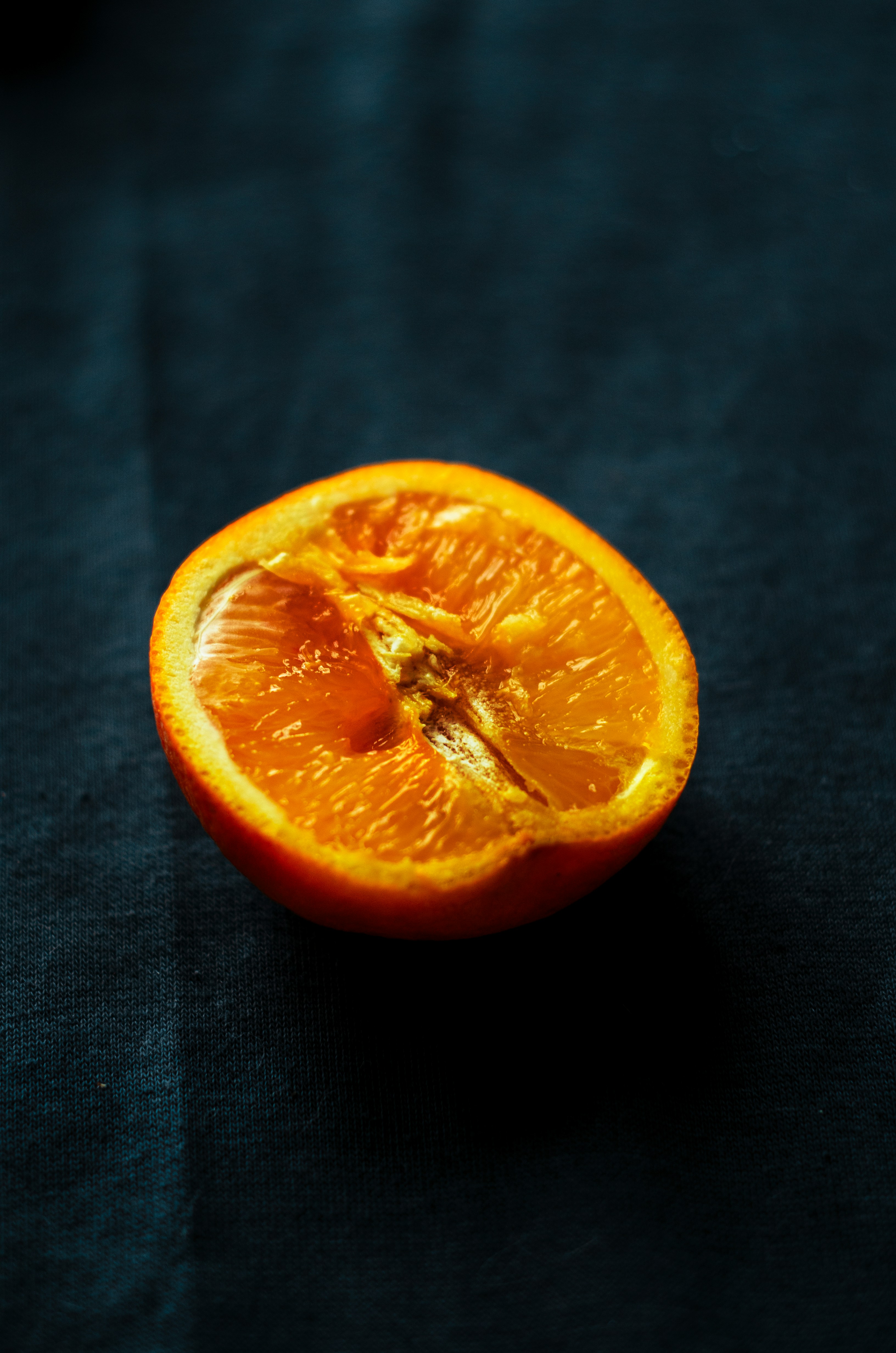
Orange (Citrus sinensis)
Field Note #017

Orange

Citrus sinensis
MonoterpenesAldehydesEstersCitrus
Limonene is 90-95% of orange peel oil, but limonene alone smells like cleaning product. What makes orange smell like orange is the other 5%: linalool, decanal, octanal, citral, and valencene. The minor compounds are the actual flavor. The major compound is just the carrier.
ExtractSensory NotesIn the GlassCompound MapConnectionsTakeaway

Extract

Orange peel tinctures beautifully in 45-55% ethanol. Use fresh peel, zested to avoid the bitter white pith (which adds naringin bitterness, useful in some formulations but dominant if uncontrolled). Macerate 3-5 days. The monoterpenes pull almost immediately; the aldehydes and esters need the full window.

Dried orange peel is a different ingredient. Drying concentrates the flavonoids (hesperidin, naringin) and reduces the volatile fraction. The result is more bitter, less aromatic, and better suited to amaro-style formulations where you want orange bitterness rather than orange aroma.

Cold-pressed orange oil is the industry standard for aromatic applications. It preserves the volatile aldehyde fraction better than any extraction method. For bitters work, a combination of cold-pressed oil (for aroma) and dried peel tincture (for bitterness) gives you the fullest orange expression.

Sensory Notes

Aroma

Bright, sweet, unmistakably citrus. The aldehyde fraction (decanal, octanal) provides the 'fresh-squeezed' quality. Limonene provides the bulk carrier. Valencene adds a subtle, fresh-green depth unique to orange.

Taste

Sweet-tart from citric acid. The peel contributes bitterness from naringin and hesperidin. The oil contributes brightness. Fresh peel is more aromatic; dried peel is more bitter. Both are essential in a complete orange formulation.

Mouthfeel

Light, clean. The essential oil adds a slight oiliness on the palate. Pith-heavy preparations add astringency. Well-crafted orange tincture feels bright and lifted.

Finish

Short to medium. The volatile top notes dissipate quickly. The bitter flavonoids from peel linger longer. Valencene provides a gentle, warm finish that extends the orange impression.

In the Glass

Classic Orange Bitters

The foundation of cocktail bitters. Dried orange peel provides the bitter backbone (naringin, hesperidin). Orange oil provides the aromatic identity. Combined with gentian and cassia, this is the architecture of Angostura's competition.

Triple Sec Deconstructed

Orange peel tincture as the flavor base for a homemade orange liqueur. The aldehyde fraction (decanal, octanal) carries the fresh-orange identity that distinguishes craft triple sec from industrial versions.

Compound Map

Monoterpene

Limonene

90-95% of peel oil. The carrier monoterpene. Citrusy but generic alone. Functions as the vehicle for the more characterful minor compounds. Oxidizes to carvone over time.

Aldehyde

Decanal

Waxy, orange-peel aldehyde. One of the key 'fresh orange' compounds at trace concentrations. At higher levels reads as soapy. The precision in orange is in the dosing.

Aldehyde

Octanal

Citrus, slightly green aldehyde. Pairs with decanal to create the 'just-zested' orange peel impression. Volatile and ephemeral. Degrades with heat and time.

Sesquiterpene

Valencene

Named for Valencia oranges. Fresh, green-citrus, slightly woody. The compound that distinguishes orange from lemon in blind aromatic testing. Unique to orange among common citrus.

Flavanone Glycoside

Naringin

Bitter glycoside concentrated in pith and peel. Not volatile, not aromatic. Pure structural bitterness. The compound that makes orange bitters bitter, not orange oil.

Flavanone Glycoside

Hesperidin

Secondary bitter flavonoid. Less intensely bitter than naringin but more abundant. Contributes to the sustained, rounded bitterness of dried orange peel preparations.

Connections

Takeaway

The 5% that matters.

Limonene is orange's body, but decanal, octanal, and valencene are its soul. The minor compound fraction, the other 5% of the peel oil, is what separates orange from generic citrus. In formulation, this means fresh peel and cold-pressed oil are non-negotiable for aromatic applications. Dried peel plays a different role: structural bitterness from naringin and hesperidin. A complete orange formulation uses both, because aroma and bitterness come from entirely different compound families.

← Previous
Mango