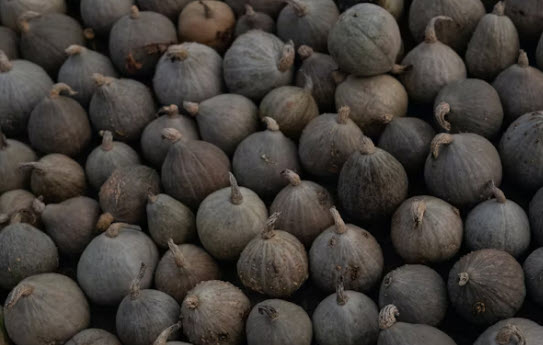
 #020
#020
Walnut
Green walnuts harvested before the shell hardens are the base for nocino, the Italian walnut liqueur. Juglone, a naphthoquinone unique to the walnut family, provides a sharp, ta...
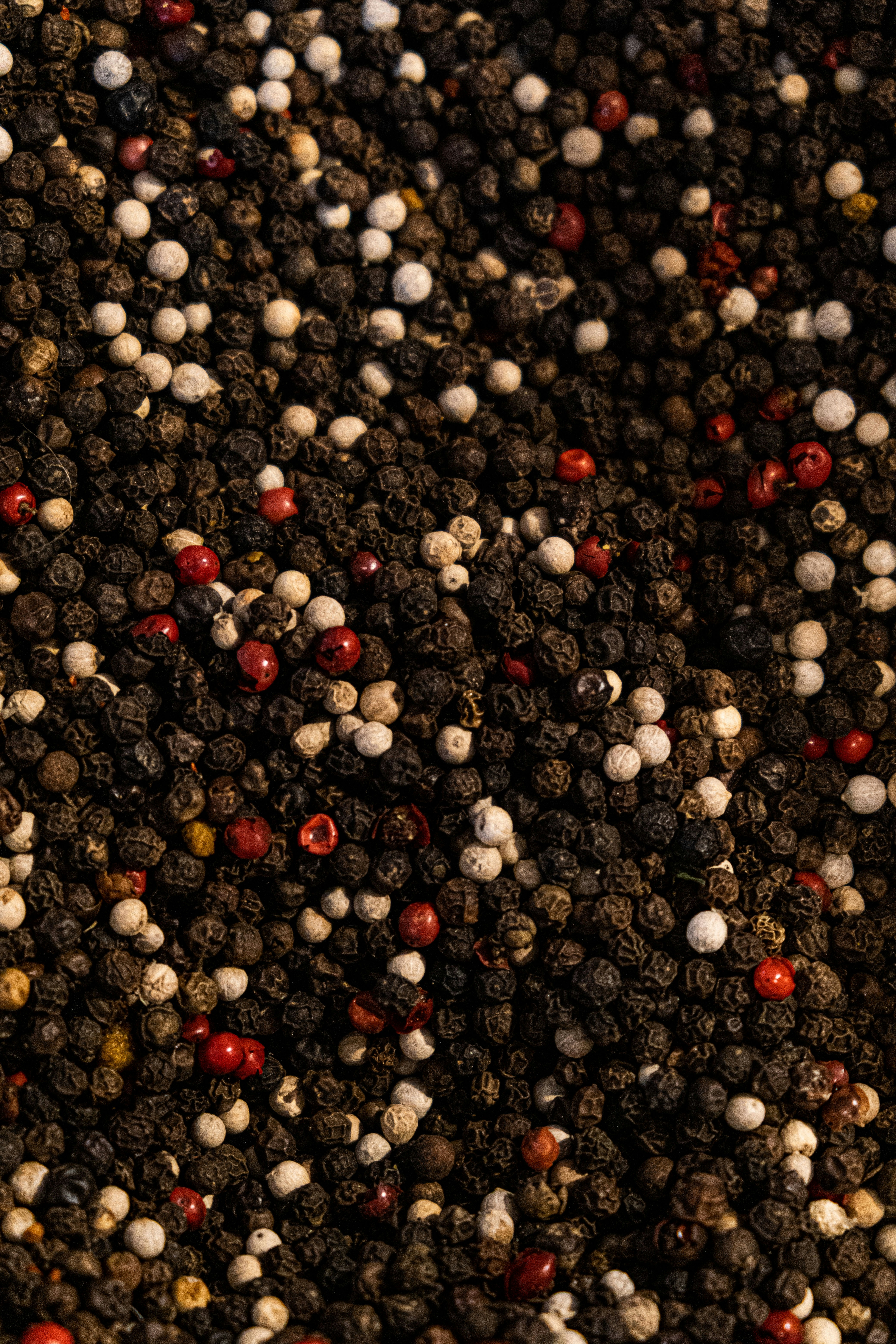 #019
#019
Black Pepper
Piperine is an alkaloid that activates TRPV1 heat receptors with a slower onset and longer duration than capsaicin. But piperine is only half the story. Black pepper's volatile ...
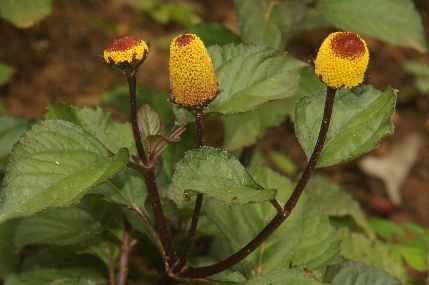 #018
#018
Paracress
Spilanthol is an alkylamide that generates a localized electric buzzing sensation on the tongue, distinct from both capsaicin heat and menthol cold. It activates TRPV1 and TRPA1...
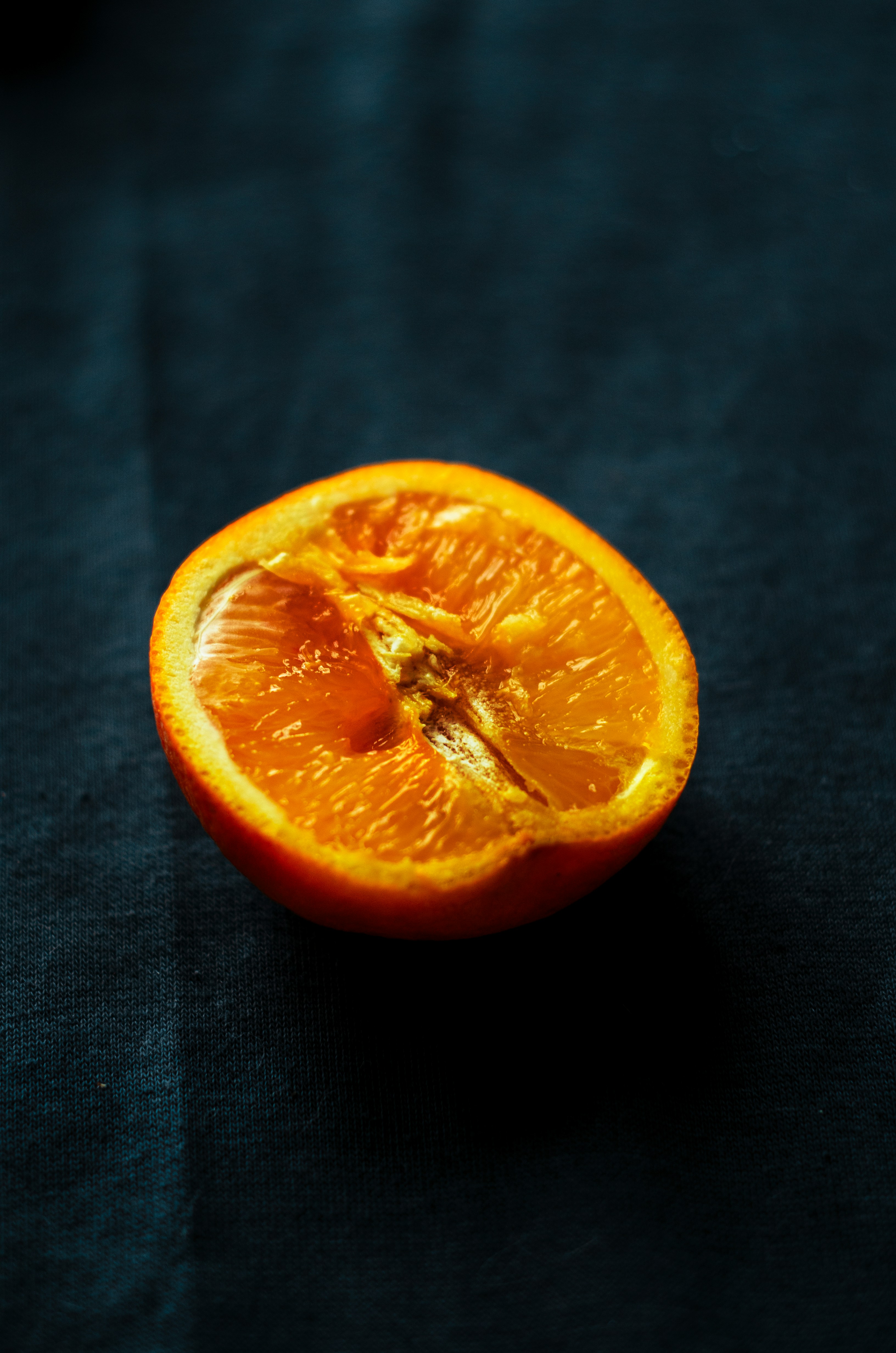 #017
#017
Orange
Limonene is 90-95% of orange peel oil, but limonene alone smells like cleaning product. What makes orange smell like orange is the other 5%: linalool, decanal, octanal, citral, ...
 #016
#016
Mango
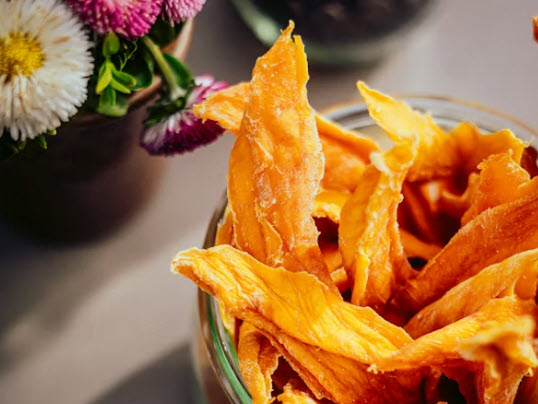
Mango's aroma is not one compound. It is a chord: delta-3-carene, myrcene, limonene, and the lactone gamma-octalactone playing simultaneously. The terpene profile overlaps with ...
 #015
#015
Fenugreek
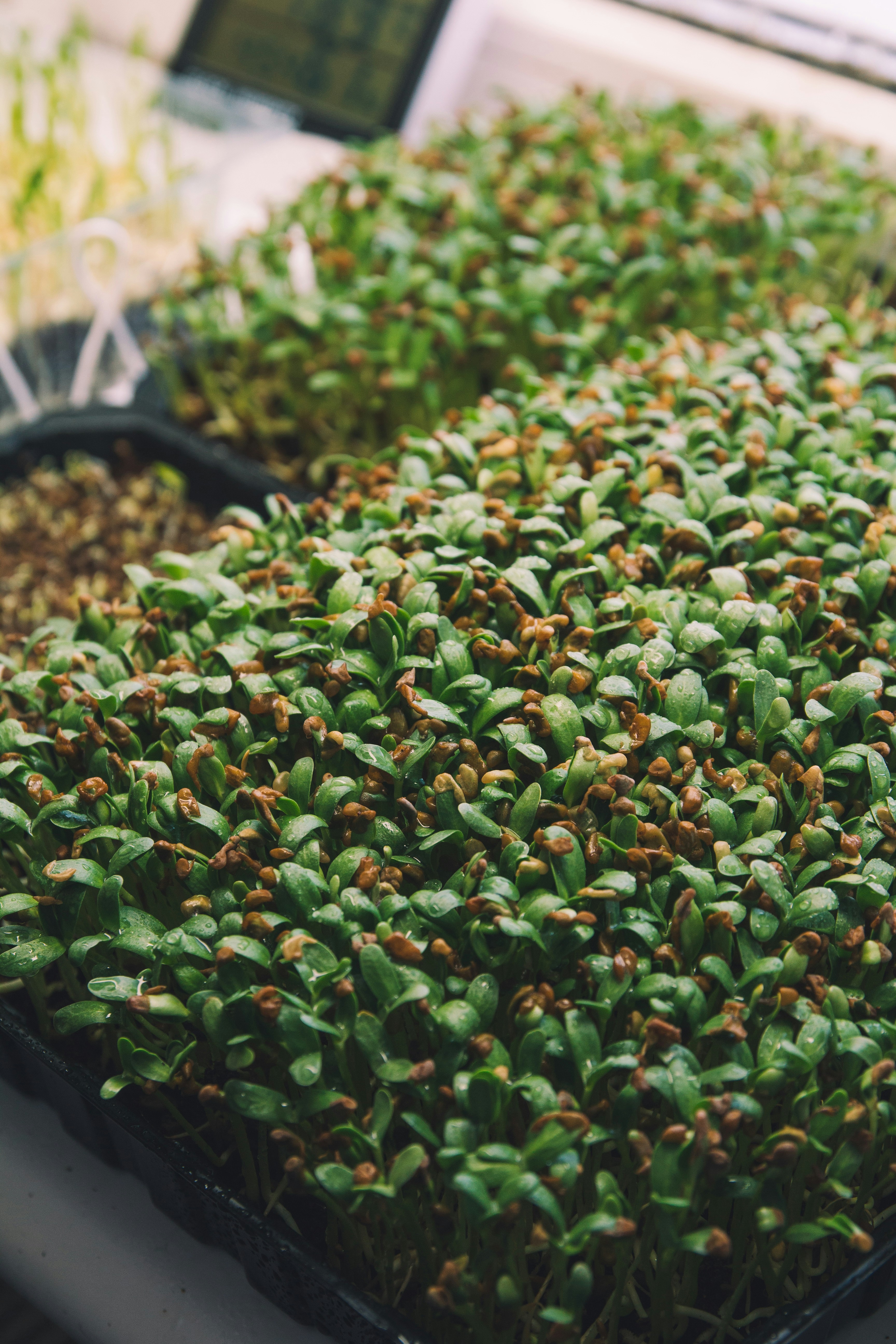
Sotolone is one of the most powerful aroma compounds in nature. Detectable at 0.02 ppb, it is the molecule responsible for maple syrup's smell, and fenugreek seeds are loaded wi...
 #014
#014
Chicory
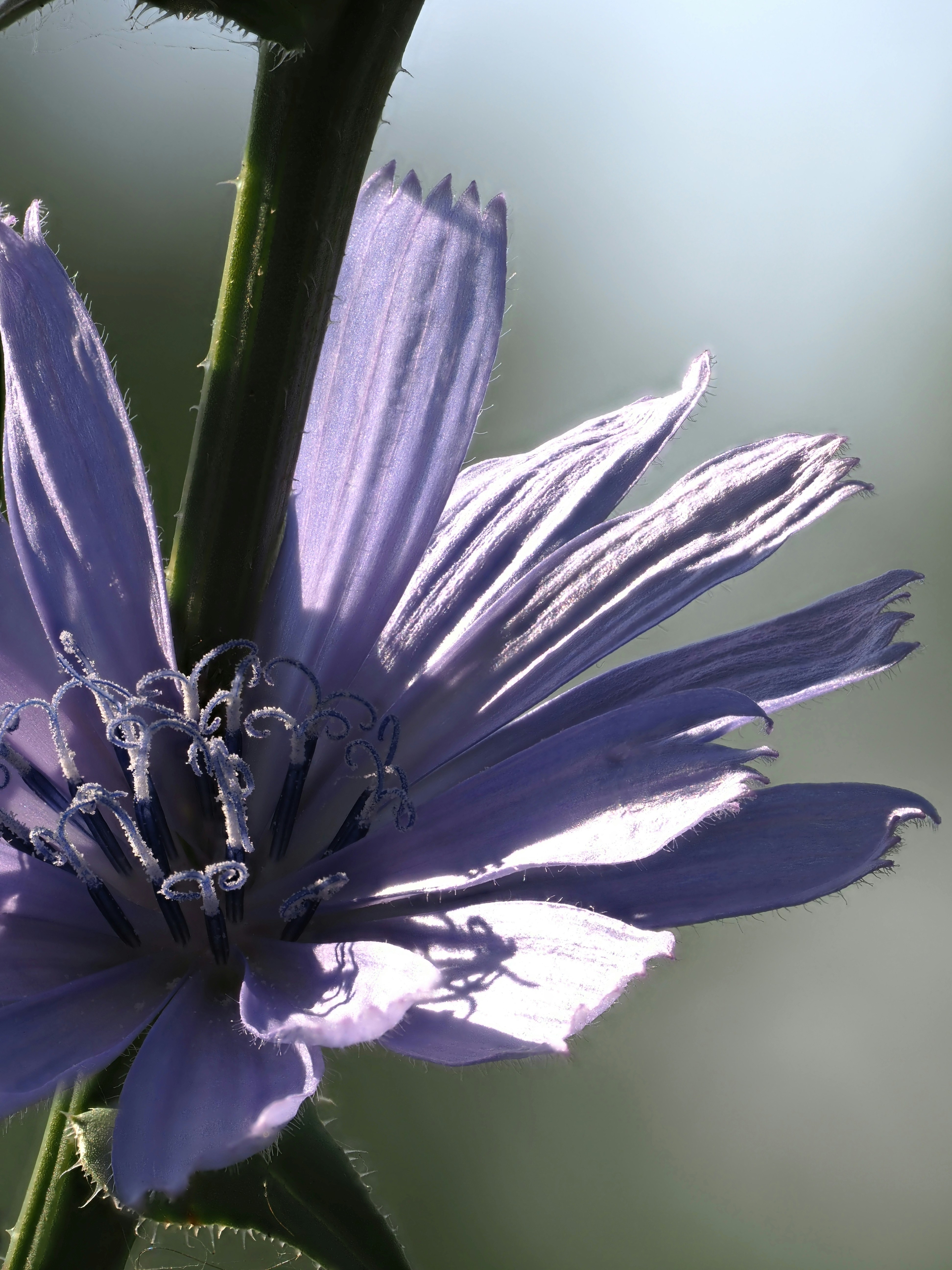
Roasted chicory root is 40% inulin by dry weight. When that inulin hits 175C, it caramelizes into a complex of furanones and pyrazines that your brain files under 'coffee.' But ...
 #013
#013
Bay Leaf
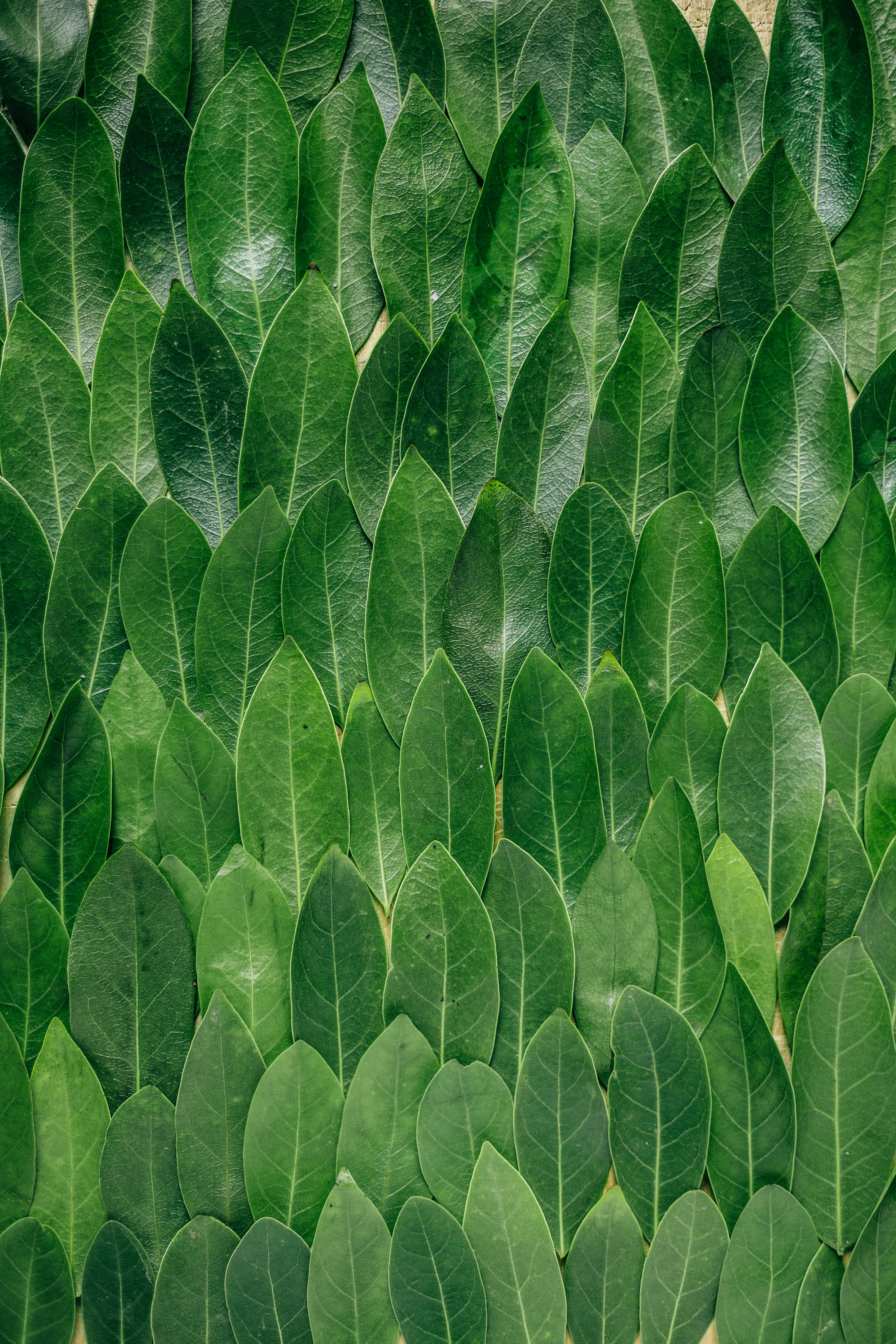
1,8-Cineole (eucalyptol) makes up 30-50% of bay leaf essential oil, but it is not what makes bay leaf indispensable. It is the supporting cast: eugenol, linalool, methyl eugenol...
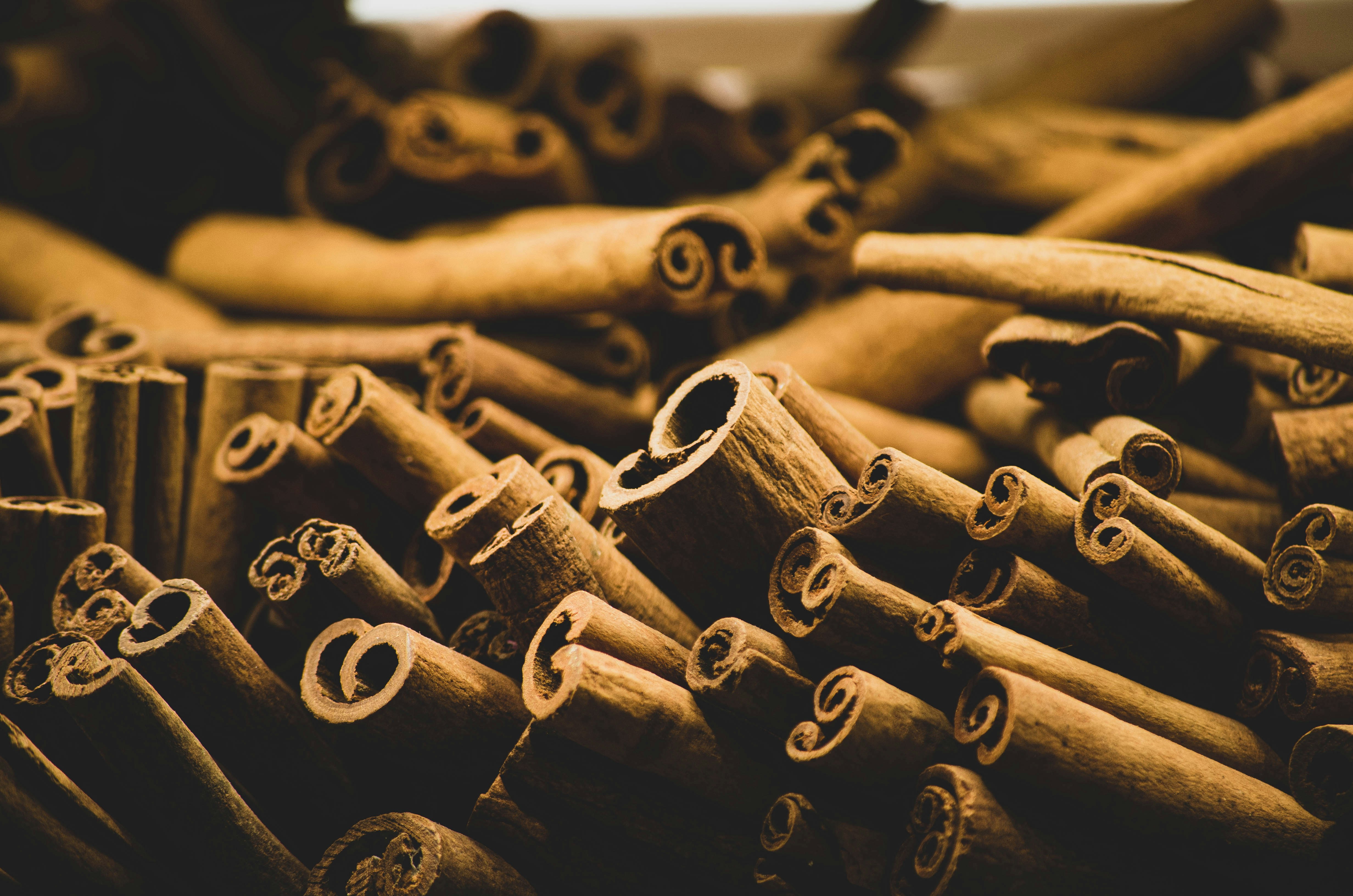 #012
#012
Cassia
Cinnamaldehyde is 75-90% of cassia bark essential oil. That one compound is what most people think of as 'cinnamon flavor.' But true Ceylon cinnamon is a different species with ...
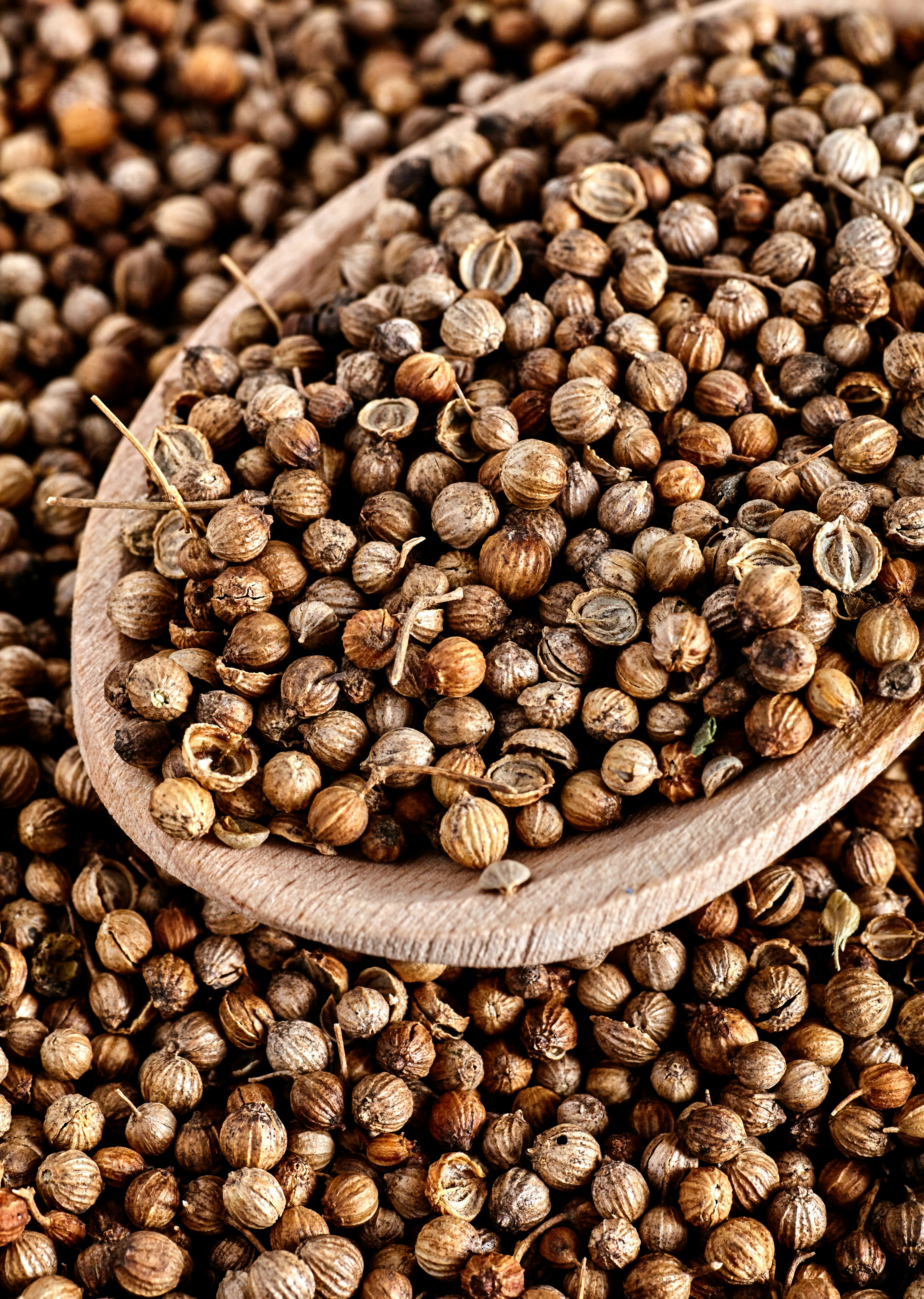 #011
#011
Coriander
Linalool makes up 60-80% of coriander seed essential oil. That's the same compound that defines lavender and elderflower, but in coriander it's framed by geranyl acetate and gam...
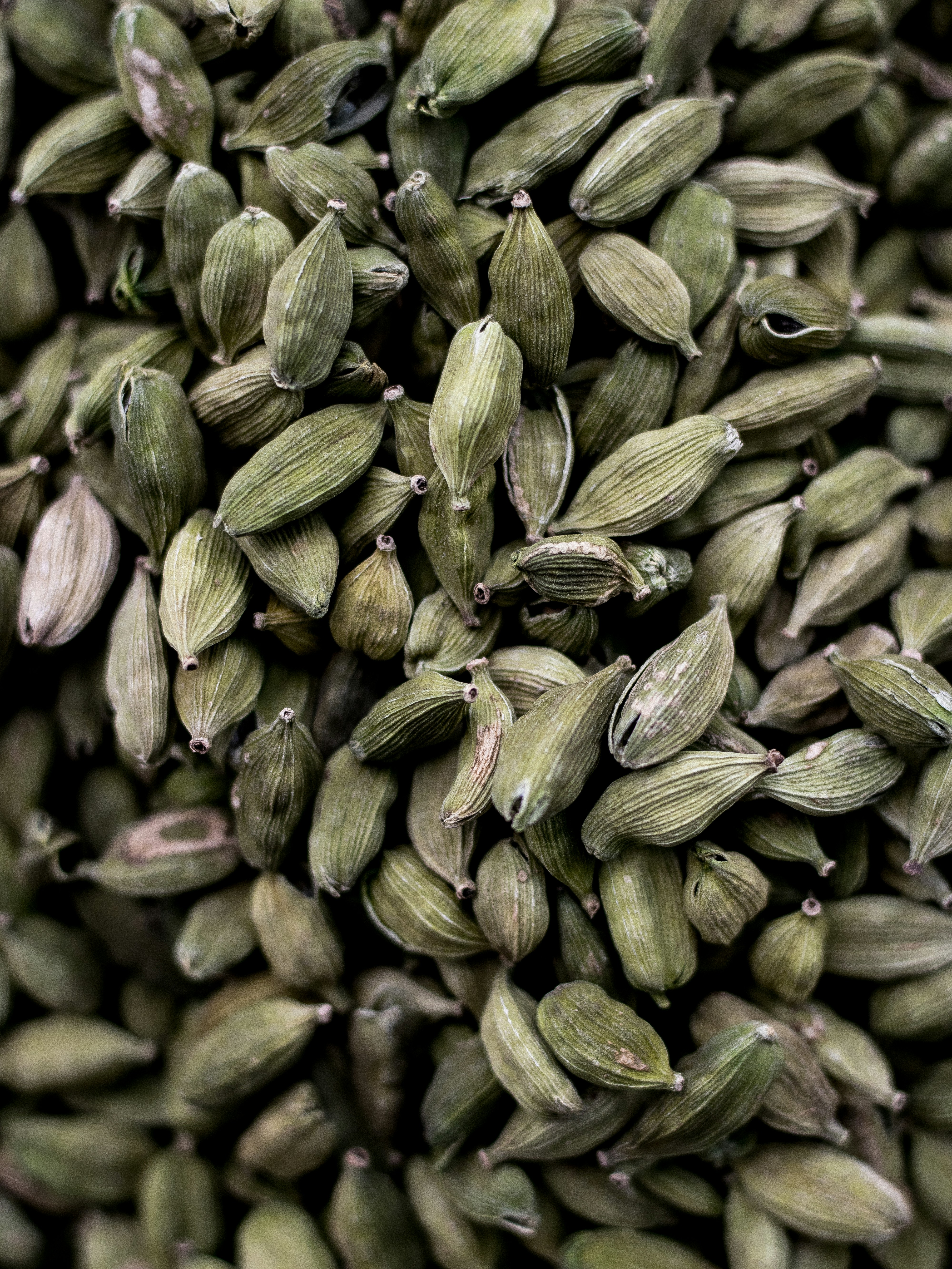 #010
#010
Cardamom
1,8-Cineole is the molecule that gives cardamom its cooling, eucalyptus-like top note. But it's alpha-terpinyl acetate underneath that provides the sweet, floral, almost resinou...
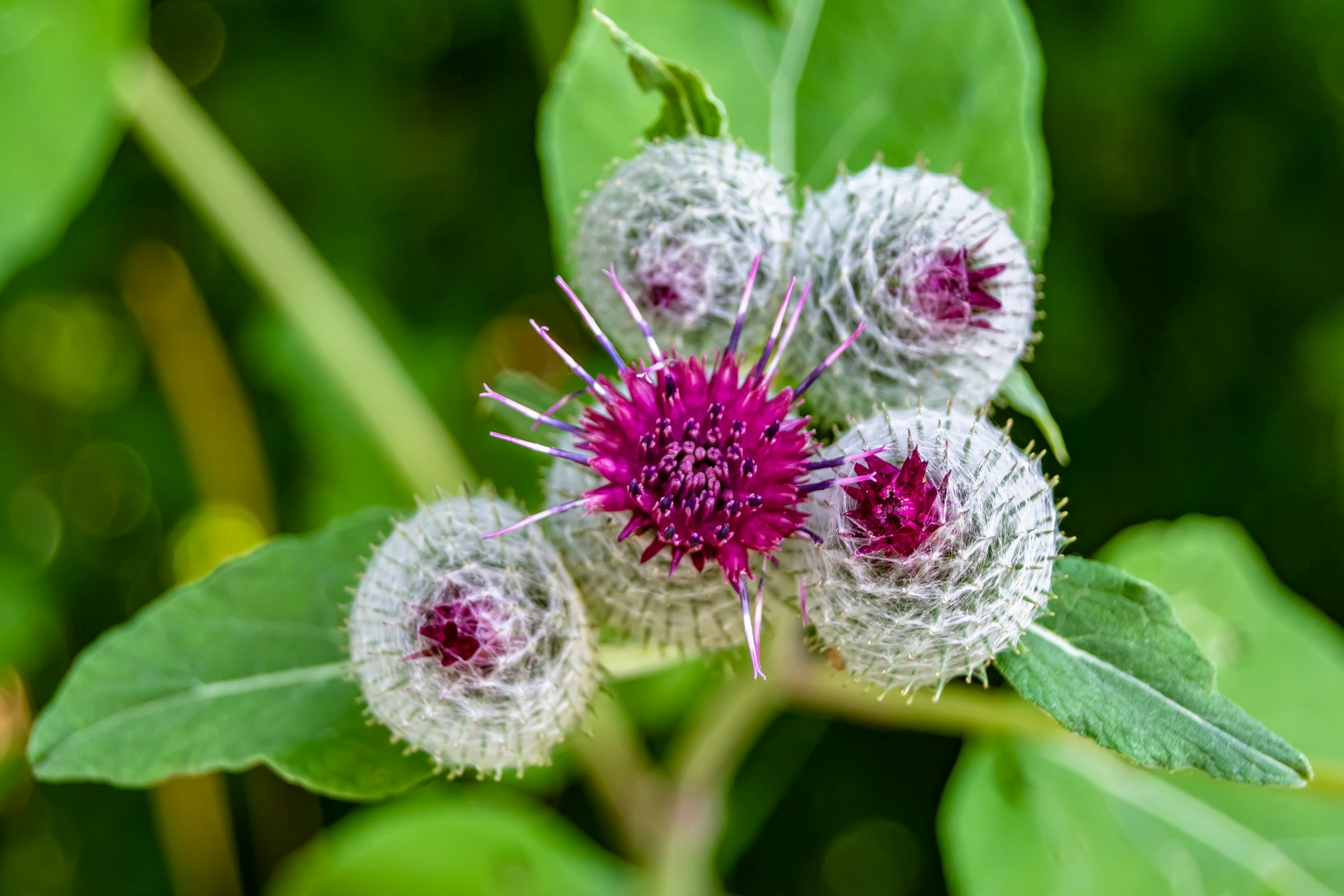 #009
#009
Burdock
Arctigenin is a lignan with a quiet, persistent bitterness that sits underneath everything else in a formula. Burdock root doesn't announce itself. It fills the space between th...
 #008
#008
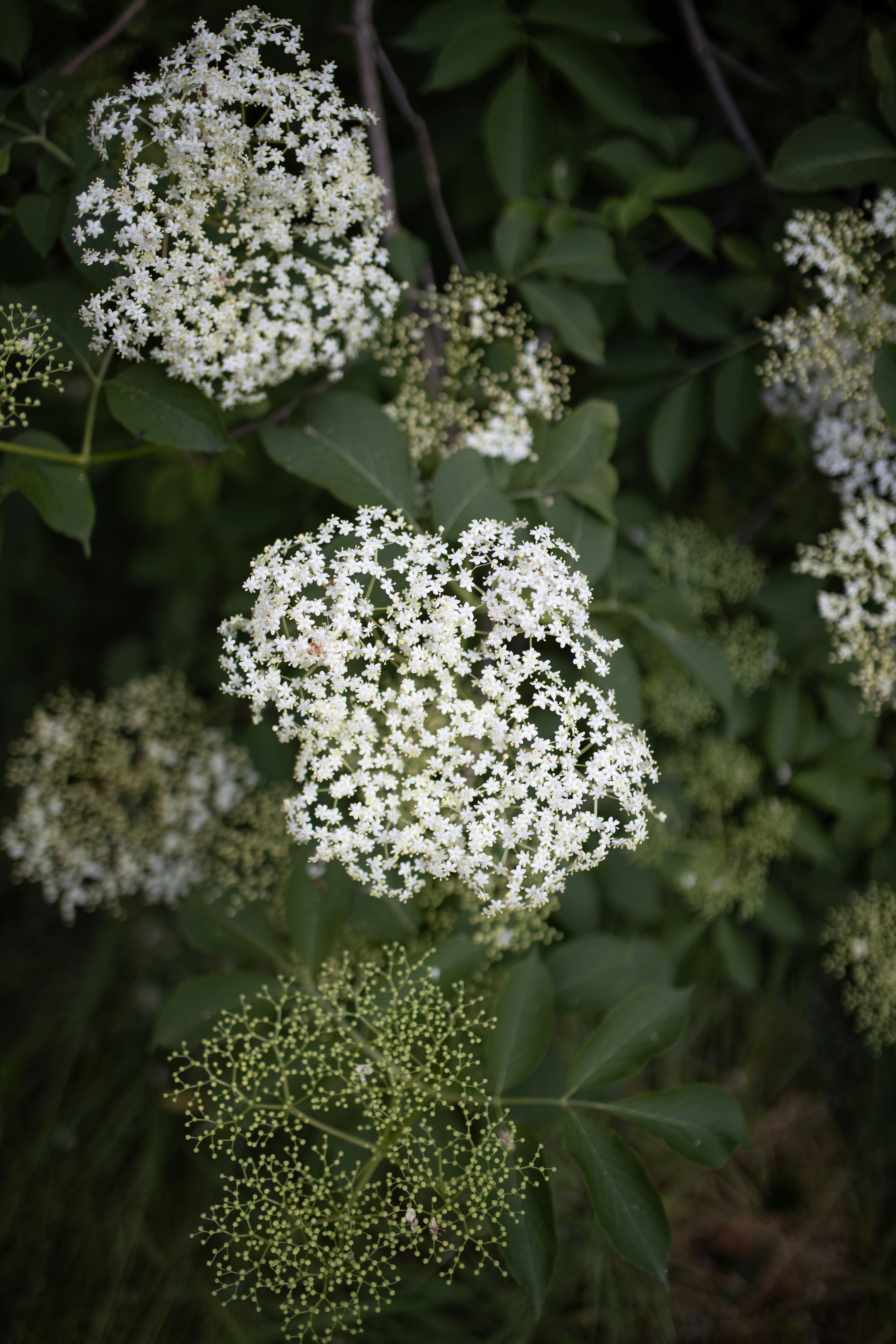
Elderflower
Linalool and cis-rose oxide give elderflower its unmistakable muscat-grape, lychee-floral aroma. It's one of the most aromatic-forward botanicals in the library, and one of the ...
 #007
#007
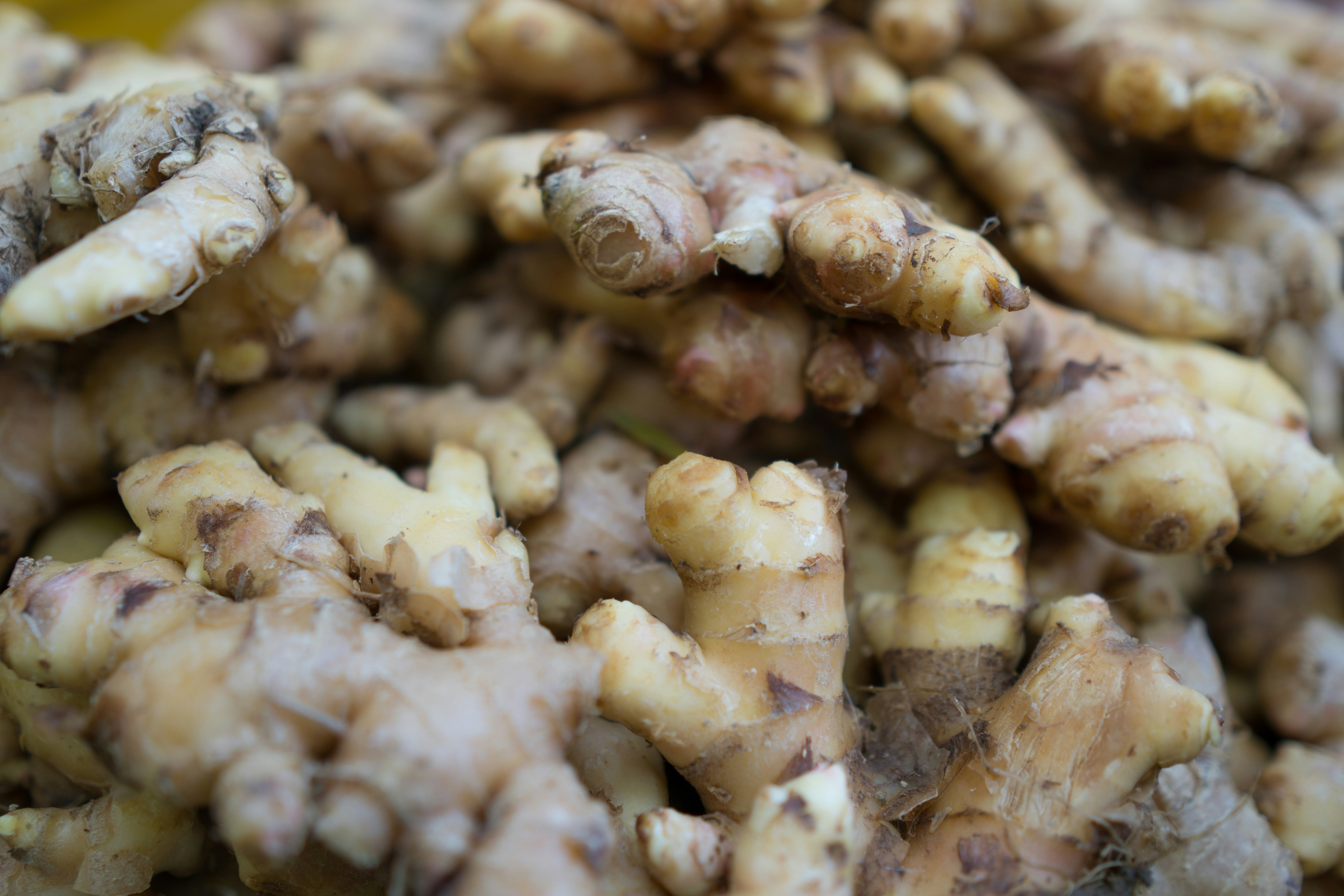
Ginger
Gingerol is a vanilloid compound, structurally related to capsaicin. It triggers the same TRPV1 heat receptors on your tongue. But where capsaicin is a blunt instrument, gingero...
 #006
#006
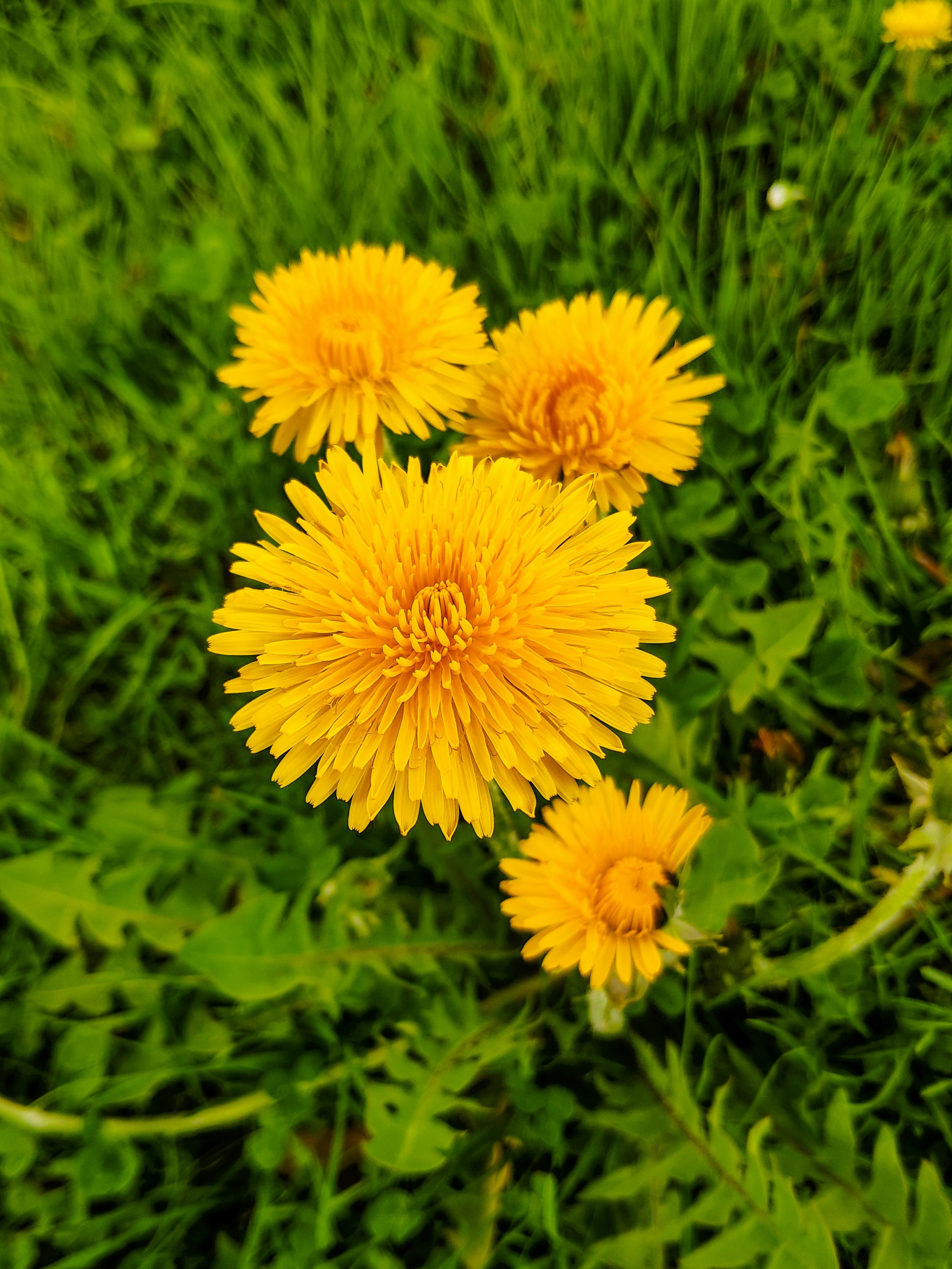
Dandelion
The most overlooked bitter in your yard. Taraxacin and taraxacerin drive a clean, green bitterness that European aperitivo culture figured out centuries ago. Every part of the p...
 #005
#005
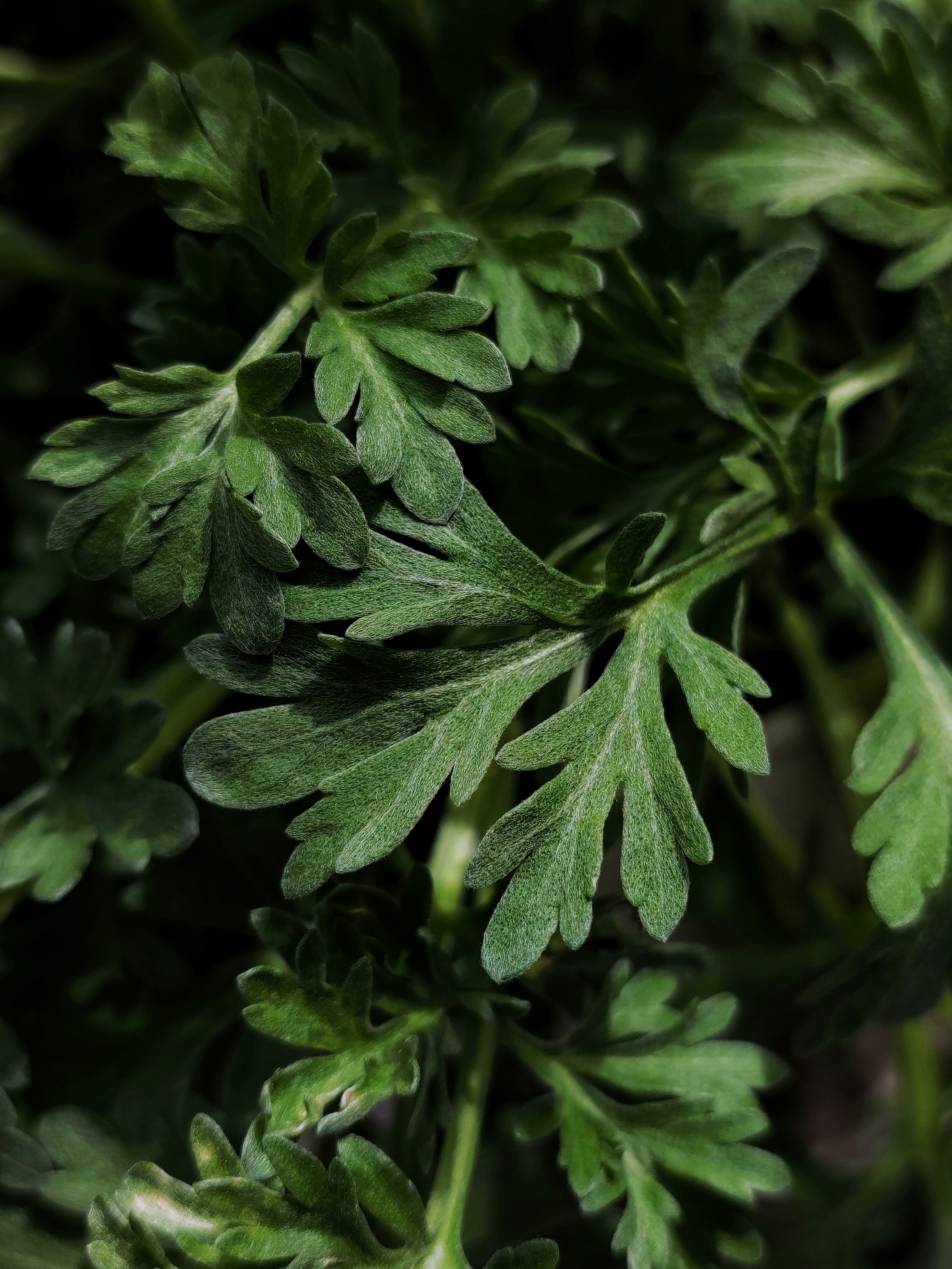
Wormwood
The bitterest botanical in the Western canon. Thujone gives it the reputation, but the sesquiterpene lactone absinthin is what makes your mouth pay attention. This is the backbo...
 #004
#004
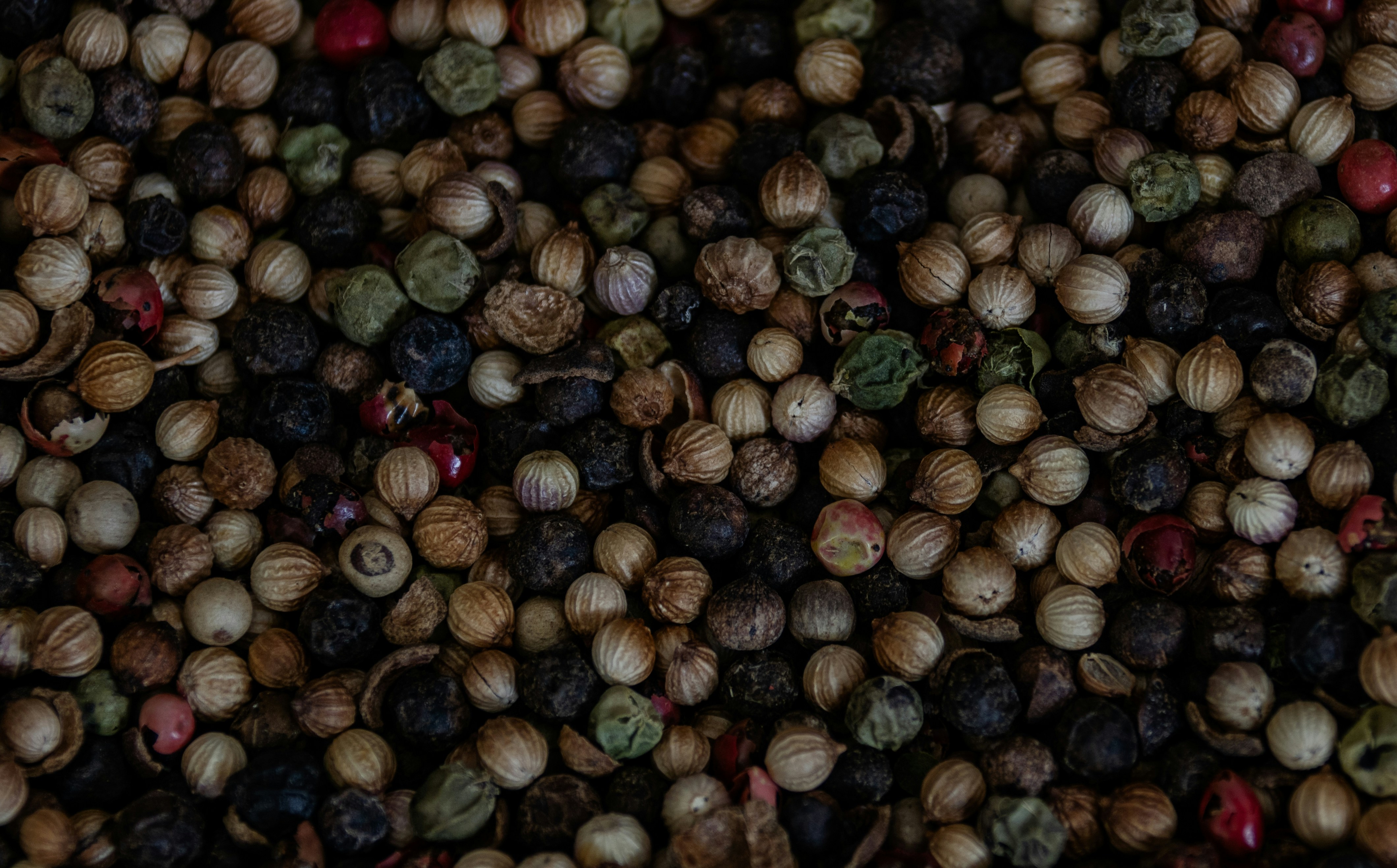
Sichuan Pepper
Hydroxy-alpha-sanshool triggers your touch receptors, not your taste buds. It's a tingling frequency, not a flavor. Sichuan pepper activates the same mechanoreceptors that detec...
 #003
#003
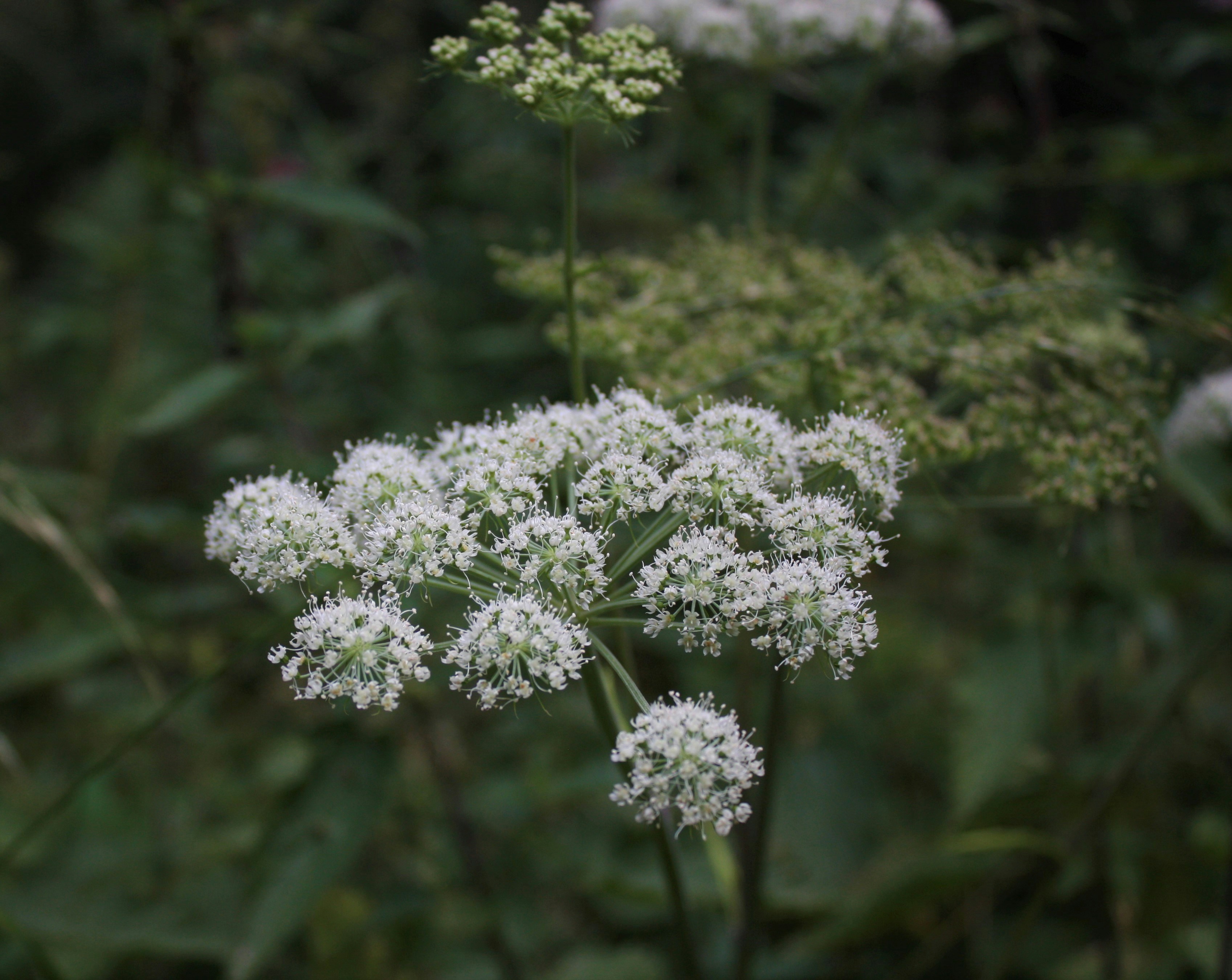
Angelica Root
The backbone of gin and the secret bridge in Chartreuse. Phthalides and coumarins do the structural work most people credit to juniper. Angelica root doesn't announce itself. It...
 #002
#002
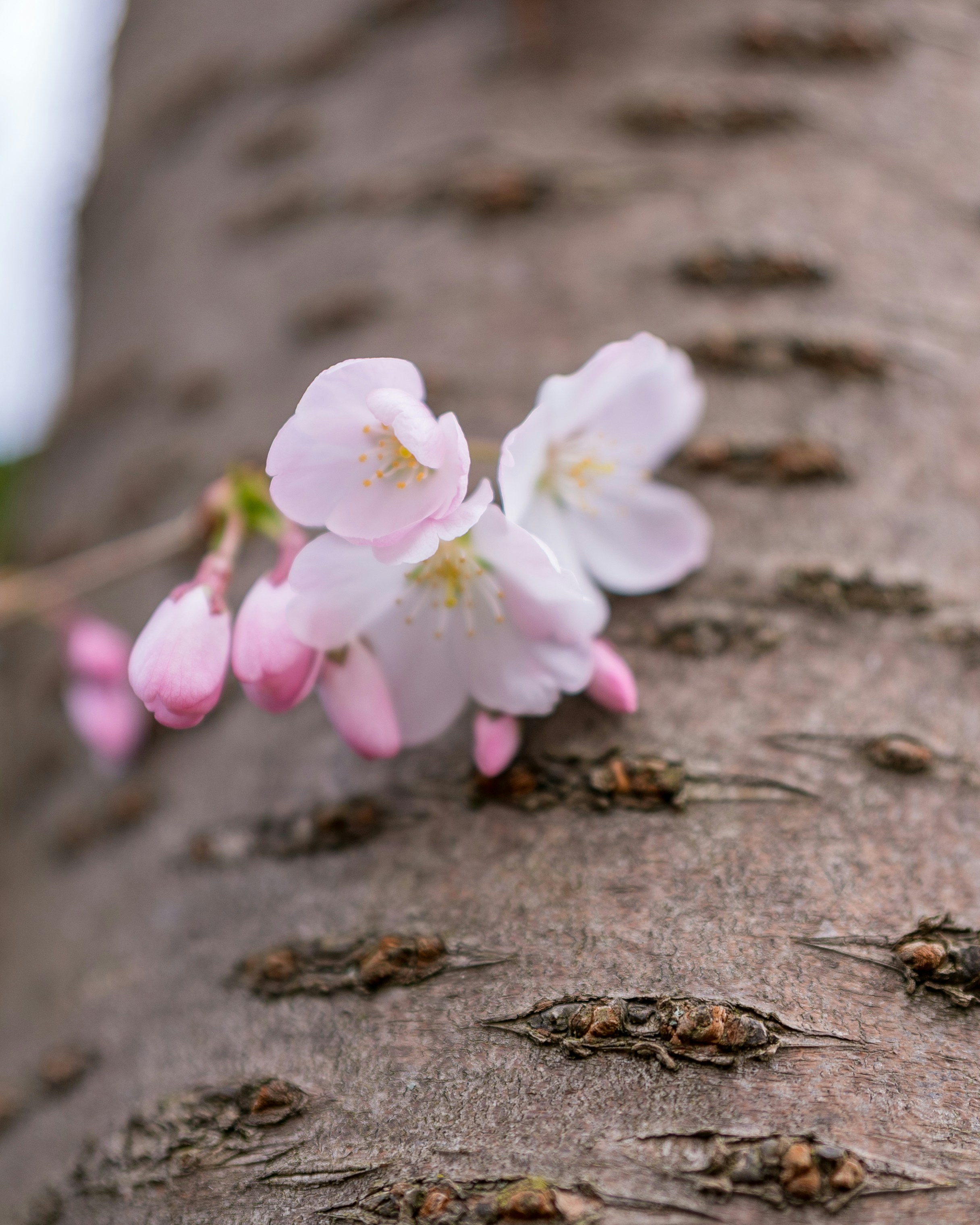
Cherry Bark
Benzaldehyde is the compound your brain registers as 'cherry.' The bark delivers it wrapped in vanillin and coumarin that most artificial versions skip entirely. Wild cherry bar...
 #001
#001
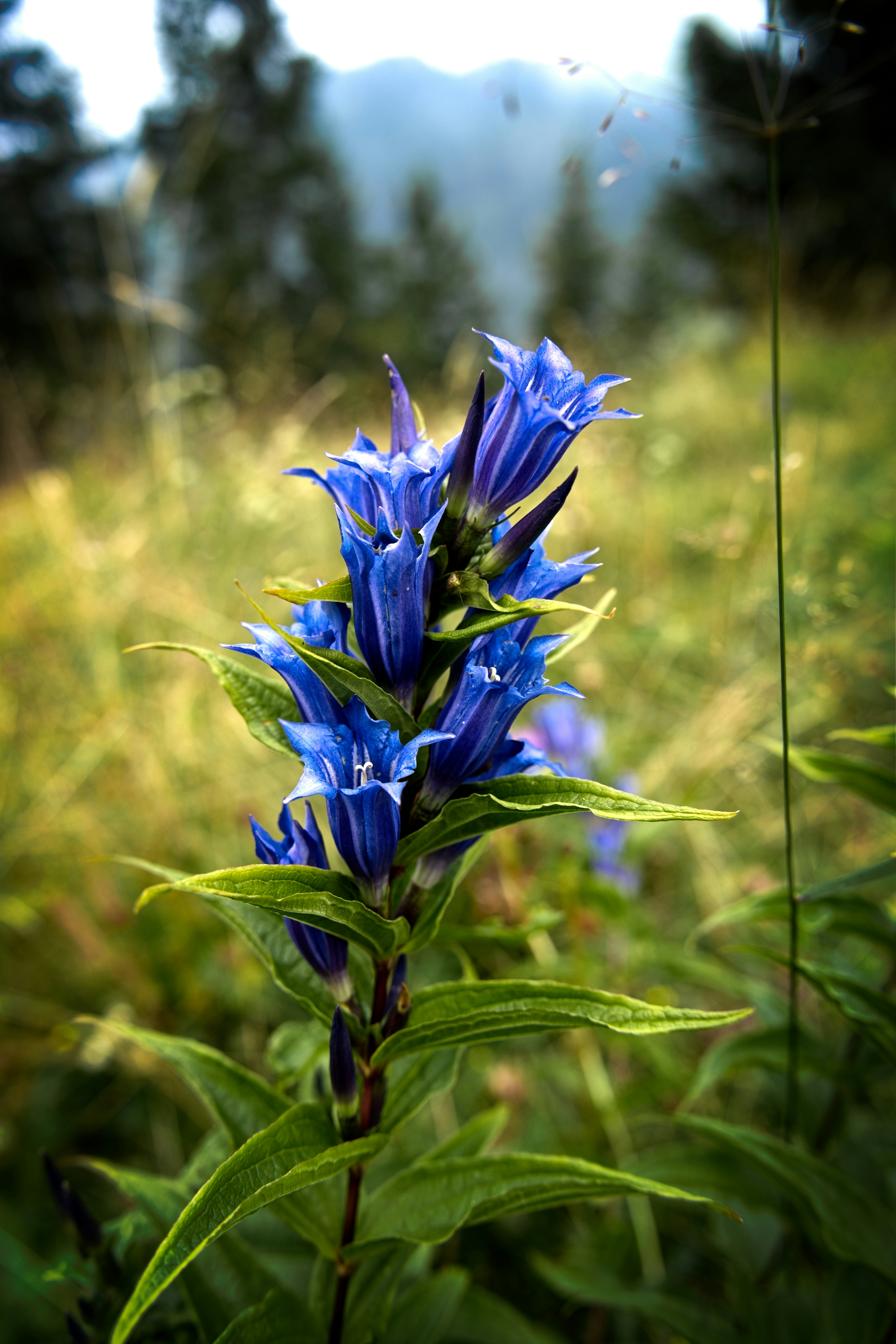
Gentian Root
Amarogentin is the most bitter compound found in nature. One part in 58,000 parts water, and your tongue still picks it up. It's the molecule that anchors every serious bitters ...